The Kheoni story — from corridor to breeding hub
The quiet corridor years
For decades Kheoni was known as a transit route. Tigers dispersing between Ratapani Sanctuary and the more distant Melghat Tiger Reserve passed through, but they did not settle. The forest was fragmented, prey was scarce and illegal tree felling was widespread — the sanctuary was, as one wildlife expert put it, notorious for it around fifteen years ago.
The turning point
- Village relocation — villagers living inside the sanctuary were rehabilitated, dramatically reducing human presence in core areas and creating genuinely undisturbed habitat.
- Prey base restoration — the forest department built up populations of chital, sambar and nilgai, the foundation any tiger population requires.
- Protection — illegal felling was curbed and anti-poaching effort intensified.
Yuvraj and Meera
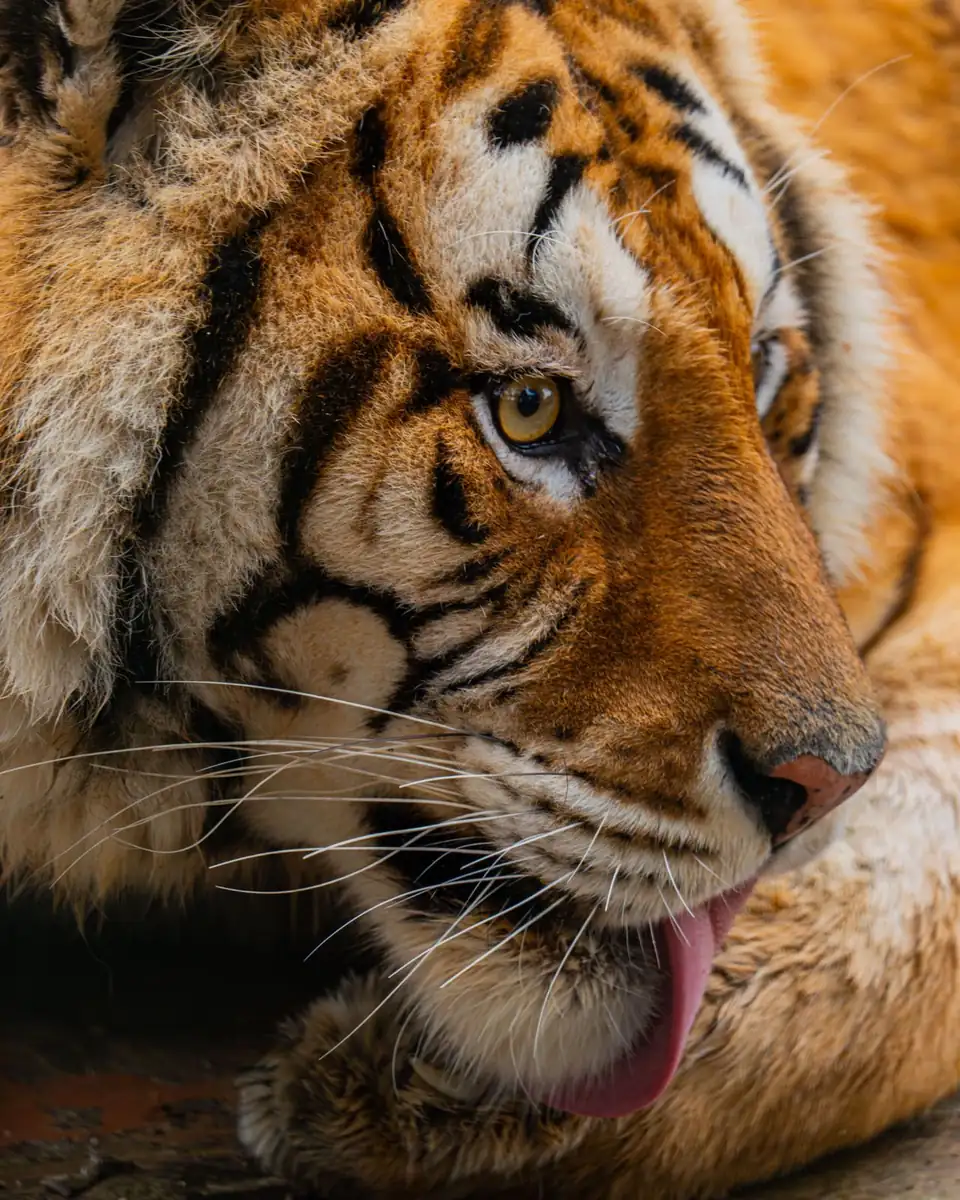
The pair that changed everything. Yuvraj and Meera did what no tigers had done at Kheoni in living memory — they established territory, hunted successfully and stayed. Then they bred. In 2026, camera traps confirmed Meera had given birth to three cubs. Now a few months old, they are beginning to emerge into clearings under their mother's watch. During the summer heat the family is often seen at waterholes — footage that circulated widely and brought national attention to a sanctuary most Indians had never heard of.
Where it stands now
Kheoni supports approximately sixteen tigers including cubs, and the Global Tiger Forum has recognised it as a critical Tiger Source. Madhya Pradesh is developing the Omkareshwar Wildlife Sanctuary to strengthen the corridor network further, ensuring dispersing tigers — including Meera's cubs — have somewhere to go as they mature. Wildlife experts describe Kheoni's transformation as strengthening a decentralised model of tiger conservation, proving that landscapes written off as secondary can become central if protected consistently.