TheForestStay.com — India's Tiger Reserve, Safari & Resort Booking Specialists · Powered by ShaktiEvent.com
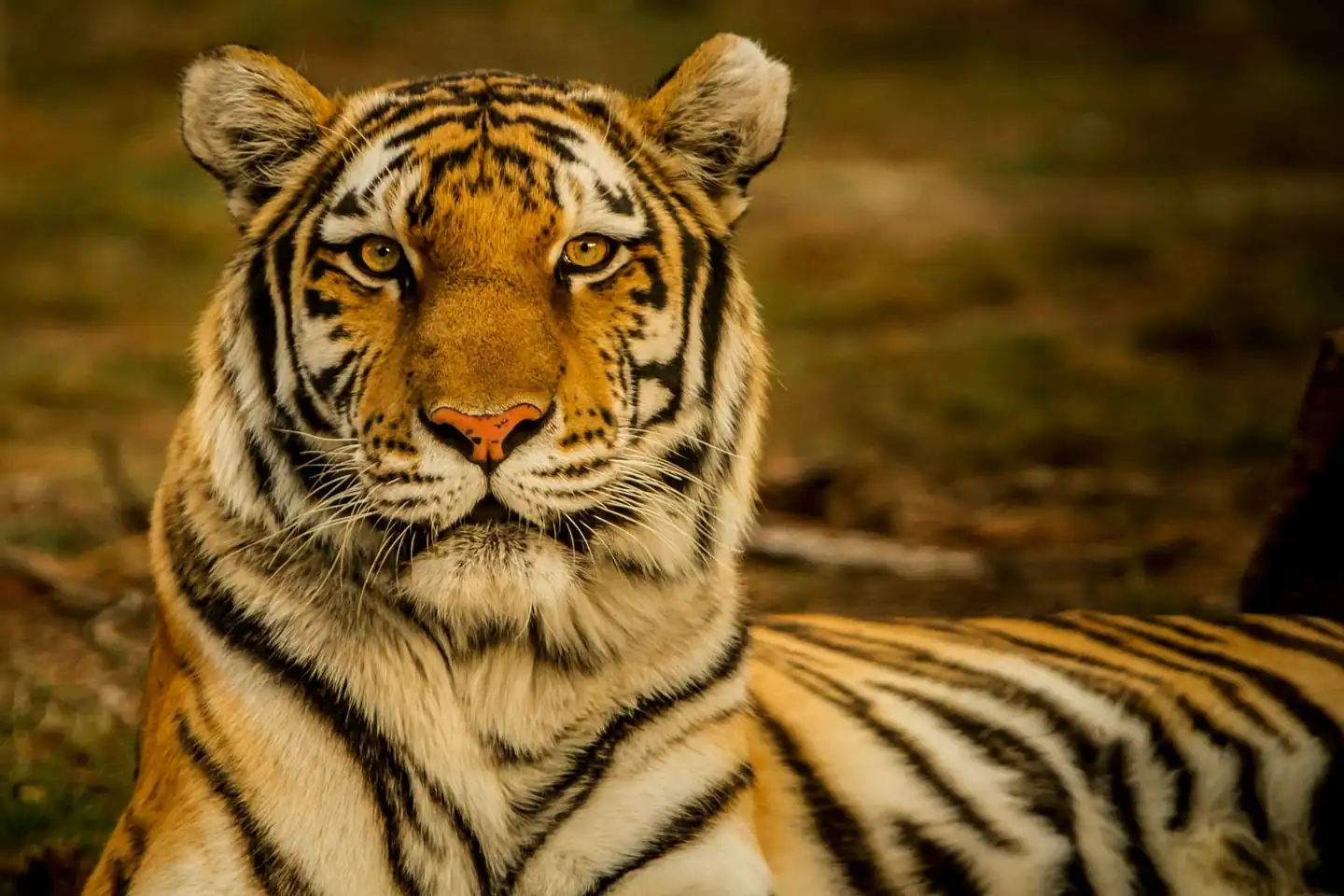
Tiger in dry deciduous Aravalli forest — Sariska Tiger Reserve safari, Alwar, Rajasthan
Alwar · Rajasthan · 4 hours from Delhi

Sariska Tiger Reserve — India's greatest conservation comeback.

In 2005 Sariska had zero tigers. Twenty years later it has fifty. Aravalli hills, four safari gates, a 17th-century fort inside the forest — and genuine tiger country just four hours from Delhi.

Resort booking

Sariska at a glance — key facts

In 2005, Sariska Tiger Reserve made headlines for the worst possible reason. A survey confirmed what locals had been reporting for months: not a single tiger remained. All eighteen had been poached. Twenty years later, Sariska has fifty tigers.

Spread across 881 square kilometres of Aravalli hills, dry deciduous forest and ancient temple ruins in Rajasthan's Alwar district, Sariska offers something increasingly rare — genuine tiger country just four hours from Delhi, without Ranthambore's crowds. This guide covers every safari gate and zone route, the booking process, and the extraordinary history that makes Sariska unlike any other tiger reserve in India.

Location
Alwar district, Rajasthan
Core area
881 sq km
Total reserve area
1,213 sq km
Wildlife sanctuary
1955
Tiger reserve
1978 (Project Tiger)
Tiger population
50 (September 2025)
Safari gates
4
Safari zones
Zones 1–4 plus buffer
Weekly closure
Every Wednesday
Core zone closed
1 July – 30 September
Distance from Delhi
~200 km
Distance from Jaipur
107 km
Nearest railway
Alwar Junction (37 km)
Official booking
obms-tourist.rajasthan.gov.in

The Sariska story — from zero tigers to fifty

The collapse (2003–2005)

In 2002, the National Tiger Conservation Authority surveyed Sariska and recorded sixteen tigers. By 2004, villagers were reporting that sightings had stopped; officials dismissed the concern as temporary. In 2005 the truth became undeniable — every single tiger in Sariska, eighteen animals, had been systematically poached over roughly two years. Inadequate patrolling, intelligence failures and enforcement lapses had allowed organised poaching networks to empty an entire tiger reserve. It became a national crisis and forced a fundamental reform of Indian tiger conservation.

The reintroduction (2008–2009)

Rajasthan launched what became the world's largest tiger relocation project. On a rain-soaked morning in 2008, ST-1 — a male tiger from Ranthambore — was flown into Sariska aboard an Indian Air Force MI-17 helicopter. Two males were translocated in 2008, followed by a female in 2009, each given an identification number and fitted with a radio collar for continuous monitoring.

The first birth (2012)

ST-2 gave birth to two cubs — the first wild tigers born in Sariska in over a decade. That single event proved the reintroduction was working.

Today — fifty tigers (2025)

In September 2025, tigress ST-2302 was camera-trapped with two cubs near Karni Mata Temple, taking Sariska's population to fifty: 11 adult males, 14 adult females and 25 cubs. Researchers at the Wildlife Institute of India described the recovery not as a miracle but as a meticulous long-term process combining ecological insight, community engagement, political will and institutional reform. Sariska now serves as a global model for tiger recovery.

Why visit Sariska

  • Accessibility from Delhi — roughly 200 km, genuinely feasible as a weekend trip and half the distance to Ranthambore. Jaipur is just 107 km away.
  • Far fewer crowds — Ranthambore's permits sell out months ahead; Sariska remains comparatively quiet and contemplative.
  • History inside the forest — a 17th-century fort where Aurangzeb imprisoned his brother, an 11th-century temple complex, and a site the Mahabharata identifies as the Pandavas' exile.
  • A living conservation lesson — nowhere else can you witness a tiger population rebuilt from absolute zero.
  • Leopard safari option — the Bala Quila gate offers a dedicated leopard safari.
  • Easier booking — permits here are considerably easier to secure than at Ranthambore, making flexible planning realistic.

Safari gates — complete guide

Sariska operates four safari gates accessing distinct zones and routes. All gates carry roughly comparable tiger sighting probability, as the reserve's tigers move widely across the landscape.

Zones 1, 2 & 3 · Core

Sariska (Sadar) Gate — the main entry

Sariska Gate, also called Sadar Gate, is the reserve's primary and most popular entry point. It sits directly on the Alwar–Jaipur state highway, making it the most convenient gate for visitors arriving from Delhi or Jaipur. It accesses the core tourism zones, and tigers ST-7, ST-9, ST-15 and ST-21 are recorded here regularly — occasionally even close to the highway.

Type
Core zone
Zones accessed
Zone 1, Zone 2, Zone 3
Vehicles per shift
15 jeeps + 15 canters
Resident tigers
ST-7, ST-9, ST-15, ST-21
Best for
First-time visitors, day trips from Delhi/Jaipur
Zone 4 · Core

Tehla Gate — the southern entry

Tehla is Sariska's second core entry, roughly 80 km from Sariska Gate on the southern side of the reserve. Terrain here is denser forest and only about five gypsies operate per shift, making it considerably quieter. Several rustic resorts sit nearby, and the area offers excellent birdwatching alongside village walks. ST-7, ST-9, ST-15, ST-21 and ST-23 have all been recorded in this zone.

Type
Core zone
Zone accessed
Zone 4
Vehicles per shift
5 jeeps
Distance from Sariska Gate
~80 km
Best for
Longer stays, birdwatching, quieter safaris
Buffer

Baraliwari Gate — buffer zone

Baraliwari accesses Sariska's buffer forest. Tigers ST-18 and ST-19, along with their cubs, are frequently recorded in this area. Vehicle numbers are limited, keeping the experience genuinely uncrowded.

Type
Buffer zone
Vehicles per shift
5 jeeps
Resident tigers
ST-18, ST-19 and cubs
Best for
Uncrowded safaris, buffer experience
Buffer · Leopard

Bala Quila Gate — leopard safari

Bala Quila Gate is the starting point for the Bala Quila Leopard Safari and the Bara Liwari zone safari — a genuinely distinct experience from the core tiger zones, particularly appealing to photographers and repeat visitors. Its proximity to Alwar city suits travellers combining wildlife with Alwar's historical sites.

Type
Buffer zone
Speciality
Leopard safari
Access
Close to Alwar city
Best for
Leopards, repeat visitors, photographers

Sariska safari zone routes — official

Each Sariska zone follows a defined route through the reserve. Understanding these helps set expectations for terrain and likely sightings.

ZoneRouteCharacter
Zone 1Sariska → Ghanka Tirya → Tarunda → Brahmanath → Kalighati → Pandupol → SariskaGrassland and waterhole areas with frequent tiger movement, culminating at Pandupol temple.
Zone 2Sariska Gate → Bharthari Tibara → Karnakabas → Jalebi Chowk → Alguaal → Naya Pani → Geru ka Tirya → Kalighati → Pandupol → SariskaThe longest Sariska Gate route, covering diverse terrain including the Naya Pani waterholes.
Zone 3Sariska Gate → Kalighati → Kabri Gate → Kankwari → Neelkanth Mahadev → Tehla → SariskaPasses both Kankwari Fort and Neelkanth Mahadev Temple — wildlife with Sariska's historical sites.
Zone 4 (Tehla Gate)Tehla → Kabri Gate → Kankwari Gate → Nilkanth Mahadev → Dabkan → TehlaThe southern circuit — quieter and more forested, also passing Kankwari and Neelkanth Mahadev.

Gate and zone selection guide

Your situationRecommended gate / zone
First visit, coming from Delhi/JaipurSariska Gate — Zones 1, 2, 3
Want history with wildlifeZone 3 or Zone 4 (Kankwari Fort + Neelkanth)
Quieter, fewer vehiclesTehla Gate — Zone 4
Leopard sightingBala Quila Gate
Multi-day stayTehla Gate area (better nearby resorts)
Same-day tripSariska Gate
Buffer zone experienceBaraliwari Gate

Our recommendation. For a two-safari trip, combine one drive from Sariska Gate (Zones 1 or 2) with one from Zone 3, which passes Kankwari Fort and Neelkanth Mahadev. That gives you both prime tiger habitat and Sariska's extraordinary historical sites in a single visit.

Safari booking process

Sariska safari permits are issued by the Rajasthan Forest Department through the official portal obms-tourist.rajasthan.gov.in. Numerous private websites use similar names — always verify you are on a .gov.in domain before making payment.

Permits are allocated first-come, first-served, subject to availability, with full payment in advance. Advance booking opens roughly 90 days before the safari date. Sariska permits are generally easier to secure than Ranthambore's, though weekends and holidays fill quickly.

GateVehicles permitted per shift
Sariska Gate15 jeeps + 15 canters
Tehla Gate5 jeeps
Baraliwari Gate5 jeeps

Guide, driver and vehicle allocation is managed by an automated computerised system on the day of the safari. Visitors cannot select a specific guide, driver or vehicle — this ensures fair distribution across zones.

Critical booking rules

  • Boarding pass must be downloaded one hour before the safari shift begins
  • Carry the same original ID used during booking — mismatches lead to permit cancellation
  • DigiLocker versions of ID are accepted
  • Entry without a valid boarding pass or matching ID will be refused
  • Permits are non-refundable and non-transferable
  • Vehicle allotment happens on the day of the safari

Safari timings and the Wednesday closure

Sariska Tiger Reserve is closed every Wednesday for tourism and safari — plan travel dates carefully around this. Core zone jeep and canter safaris also remain closed from 1 July to 30 September each year.

Two safaris operate daily, one in the morning and one in the afternoon. Timings shift seasonally to align with sunrise and sunset, and safaris are permitted from sunrise to sunset. Morning safaris generally produce better tiger sightings, particularly in summer when animals move at dawn.

Special access — Pandupol Temple

Sariska has an unusual arrangement that surprises many visitors. The Pandupol Hanuman Temple, deep inside the reserve, is an active pilgrimage site. To accommodate devotees, private vehicles are permitted into the reserve on Saturdays and Tuesdays to reach the temple. This is a rare exception in Indian tiger reserves and reflects Sariska's position as both wildlife habitat and living religious landscape. Visitors travelling for darshan often report incidental wildlife sightings along the route.

Forts and temples inside Sariska

Pandupol Hanuman Temple

According to the Mahabharata, the Pandavas spent the final year of their exile in this region, part of the ancient Matsya kingdom. The Pandupol temple, set within the forest beside a waterfall, remains an active and much-visited pilgrimage site.

Kankwari Fort

This 17th-century hilltop fort holds a dark distinction — Emperor Aurangzeb imprisoned his own brother, Dara Shikoh, here. Today it is one of the most atmospheric structures inside any Indian tiger reserve, with spectacular views of circling vultures and eagles from its ramparts.

Neelkanth Mahadev Temple

An ancient Shiva temple complex within the reserve, accessible via Zones 3 and 4.

Garh-Rajor temple ruins

Dating to the 11th century, these ruins offer a glimpse into the region's deep architectural history.

Wildlife of Sariska

Big cats

  • Bengal tiger — 50 individuals as of September 2025
  • Indian leopard — healthy population, best seen at Bala Quila
  • Caracal — extremely rare, occasionally recorded
  • Jungle cat — common in grassland areas

Other mammals

  • Striped hyena — Sariska is among India's better reserves for hyena sightings
  • Golden jackal
  • Sambar, chital and nilgai — abundant throughout
  • Four-horned antelope (chausingha) — rare and localised
  • Wild boar, Indian porcupine, common langur and rhesus macaque

Reptiles

Mugger crocodile in the reserve's waterbodies, alongside monitor lizard and various snake species.

Birds — 225+ species

Sariska supports over 225 recorded bird species across scrub, forest, grassland and rocky habitats — Indian peafowl, grey partridge, sand grouse, Indian treepie, golden-backed woodpecker, crested serpent eagle, bush quail and great Indian horned owl among them. The Tehla Gate area is particularly rewarding for birdwatchers.

The landscape

Sariska sits within a valley of the Aravalli Range — one of the oldest mountain systems on earth. The reserve combines four distinct habitat types: scrub-thorn arid forest, dry deciduous forest, open grassland and rocky hills. This variety, unusual within a relatively compact area, supports Sariska's broad species list. The reserve takes its name from the Shirish tree (Albizia), which produces distinctive pale yellow flowers across the forest.

How to reach Sariska

FromDistanceApprox. time
Alwar37 km1 hour
Jaipur107 km2.5 hours
Delhi200 km4 hours
Agra235 km4.5 hours
Ranthambore~220 km5 hours

Sariska Gate sits directly on the Alwar–Jaipur state highway, making road access straightforward. Alwar Junction, 37 km away, is the nearest railway station with direct trains from Delhi, Jaipur and Mumbai. Jaipur International Airport is nearest by air at 107 km (~2.5 hours), while Delhi's airport at 200 km is also practical given the highway connection.

Best time to visit Sariska

October to March — best overall. Comfortable temperatures, clear skies and pleasant safari conditions. Bird activity peaks with migratory arrivals. The ideal window for first-time visitors and families.

April to June — best for tiger sightings. As summer intensifies and water sources shrink, tigers concentrate around remaining waterholes and thinning vegetation improves visibility. Temperatures often exceed 42°C, but early morning and evening safaris remain viable and sighting probability rises significantly.

July to September — core zones closed. Core zone jeep and canter safaris are suspended during the monsoon.

Combining Sariska with other destinations

  • Delhi weekend (2N/3D) — drive from Delhi, two nights at Sariska, three or four safaris, return. Genuinely comfortable given the four-hour drive.
  • Golden Triangle plus wildlife (5N/6D) — Delhi, Agra, Sariska, Jaipur. Adds genuine tiger country to India's most popular circuit.
  • Sariska + Ranthambore (5N/6D) — Rajasthan's two tiger reserves, roughly 220 km apart; compare the recovery story with an established population.
  • Alwar heritage + wildlife (3N/4D) — Sariska safaris with Bala Quila fort, City Palace and Siliserh Lake.

Essential visitor guidelines

Before you go

  • Download your boarding pass one hour before the safari shift
  • Carry the original ID used at booking — no substitutions accepted
  • Confirm your safari date is not a Wednesday
  • Book in advance for weekends and holiday periods

What to wear and carry

  • Neutral clothing — olive, khaki, brown, beige
  • Warm layers for winter mornings; Rajasthan mornings are genuinely cold
  • Sunscreen, hat and sunglasses for summer
  • Binoculars and camera with telephoto lens
  • Reusable water bottle
  • Original photo identification

Safari etiquette

  • Maintain silence throughout
  • Never alight from the vehicle
  • No feeding or approaching wildlife
  • Carry all waste out
  • Follow guide instructions at all times
  • Guides, drivers and vehicles are allocated randomly — this is not negotiable

Frequently asked questions — Sariska safari

How many tigers are there in Sariska?+

As of September 2025, Sariska has 50 tigers — 11 adult males, 14 adult females and 25 cubs. This follows a complete extinction in 2005 and a reintroduction programme beginning in 2008, making Sariska one of the world's most significant tiger recovery stories.

Which day is Sariska closed?+

Sariska Tiger Reserve is closed every Wednesday for tourism and safari. Core zone jeep and canter safaris also remain closed from 1 July to 30 September each year during the monsoon.

How many safari gates does Sariska have?+

Four — Sariska (Sadar) Gate and Tehla Gate accessing the core zones, plus Baraliwari Gate and Bala Quila Gate accessing buffer areas. Sariska Gate covers Zones 1, 2 and 3, while Tehla Gate accesses Zone 4.

Which zone is best for tiger sighting in Sariska?+

Zones 1, 2 and 3 via Sariska Gate are the most popular and record frequent movement of tigers ST-7, ST-9, ST-15 and ST-21. That said, all Sariska gates carry broadly comparable sighting probability as the reserve's tigers range widely. Zone 3 additionally passes Kankwari Fort and Neelkanth Mahadev Temple.

How far is Sariska from Delhi?+

Approximately 200 km — around four hours by road. That is roughly half the distance to Ranthambore, making Sariska genuinely feasible as a weekend trip from the capital. Jaipur is 107 km away.

Can I take my own car into Sariska?+

Private vehicles are permitted into the reserve on Saturdays and Tuesdays specifically to visit the Pandupol Hanuman Temple, an active pilgrimage site inside the forest. This is a rare exception among Indian tiger reserves. Regular safaris must use forest department jeeps or canters.

What happened to the tigers of Sariska in 2005?+

All eighteen tigers in Sariska were poached between roughly 2003 and 2005. A 2002 survey had recorded sixteen tigers; by 2005 officials confirmed none remained. The crisis forced a national overhaul of tiger conservation and led directly to India's first tiger reintroduction programme.

Is Sariska better than Ranthambore?+

They offer different experiences. Ranthambore has more tigers and higher sighting probability but far greater crowds and harder booking. Sariska is half the distance from Delhi, considerably quieter, easier to book, and contains historical sites including Kankwari Fort and Pandupol Temple inside the reserve. Many visitors do both — they are 220 km apart.

What is the Bala Quila leopard safari?+

Bala Quila Gate offers a dedicated leopard safari alongside access to the Bara Liwari zone, where tigers ST-18 and ST-19 and their cubs are frequently recorded. It is a genuinely different experience from the core tiger zones and is close to Alwar city.

Do I need to download a boarding pass for a Sariska safari?+

Yes. The boarding pass must be downloaded one hour before your safari shift begins, and you must carry the same original ID used during booking — DigiLocker versions are accepted. Entry without a valid boarding pass or matching ID will be refused.

Can I choose my guide or jeep at Sariska?+

No. Guide, driver and vehicle allocation is handled by an automated computerised system on the day of the safari, ensuring fair distribution across zones. This is standard practice across Rajasthan's tiger reserves.

What historical sites are inside Sariska?+

Sariska contains the Pandupol Hanuman Temple, associated with the Pandavas' exile in the Mahabharata; the 17th-century Kankwari Fort, where Aurangzeb imprisoned his brother Dara Shikoh; the Neelkanth Mahadev temple complex; and the 11th-century Garh-Rajor temple ruins.

Begin the journey

Ready to plan your wildlife journey?

Share your dates and preferences — our specialists reply within a working day with permits, gypsies and resort options bundled into one clear itinerary.

Offices · Bhopal (HO) · Delhi

Independent agency — non-affiliation notice

TheForestStay.com is an independent travel booking agency operated by ShaktiEvent, Bhopal (Madhya Pradesh, India). We are not affiliated with, endorsed by, or an official representative of any hotel chain, holiday-membership company, Madhya Pradesh Tourism (MPSTDC) or any government forest department. Brand and property names are used only to describe stays we can help you reserve. MP Tourism properties can be booked directly at mpstdc.com and safari permits on the respective forest department portals. Our service is optional paid assistance, quoted in writing before any payment.