The Panna story — from zero to eighty
Understanding what happened here transforms a Panna safari into something more meaningful.
The collapse (2006–2009)
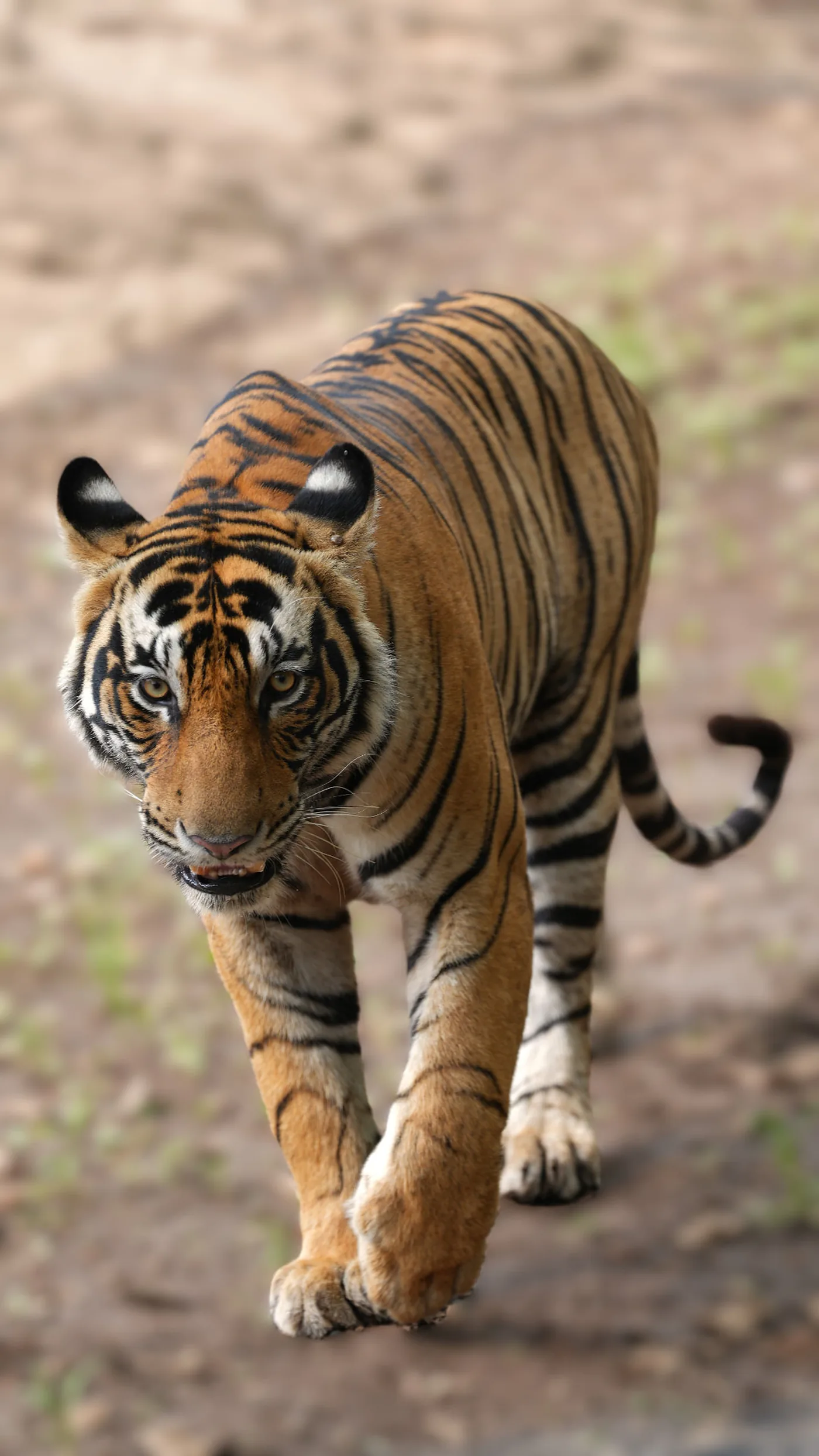
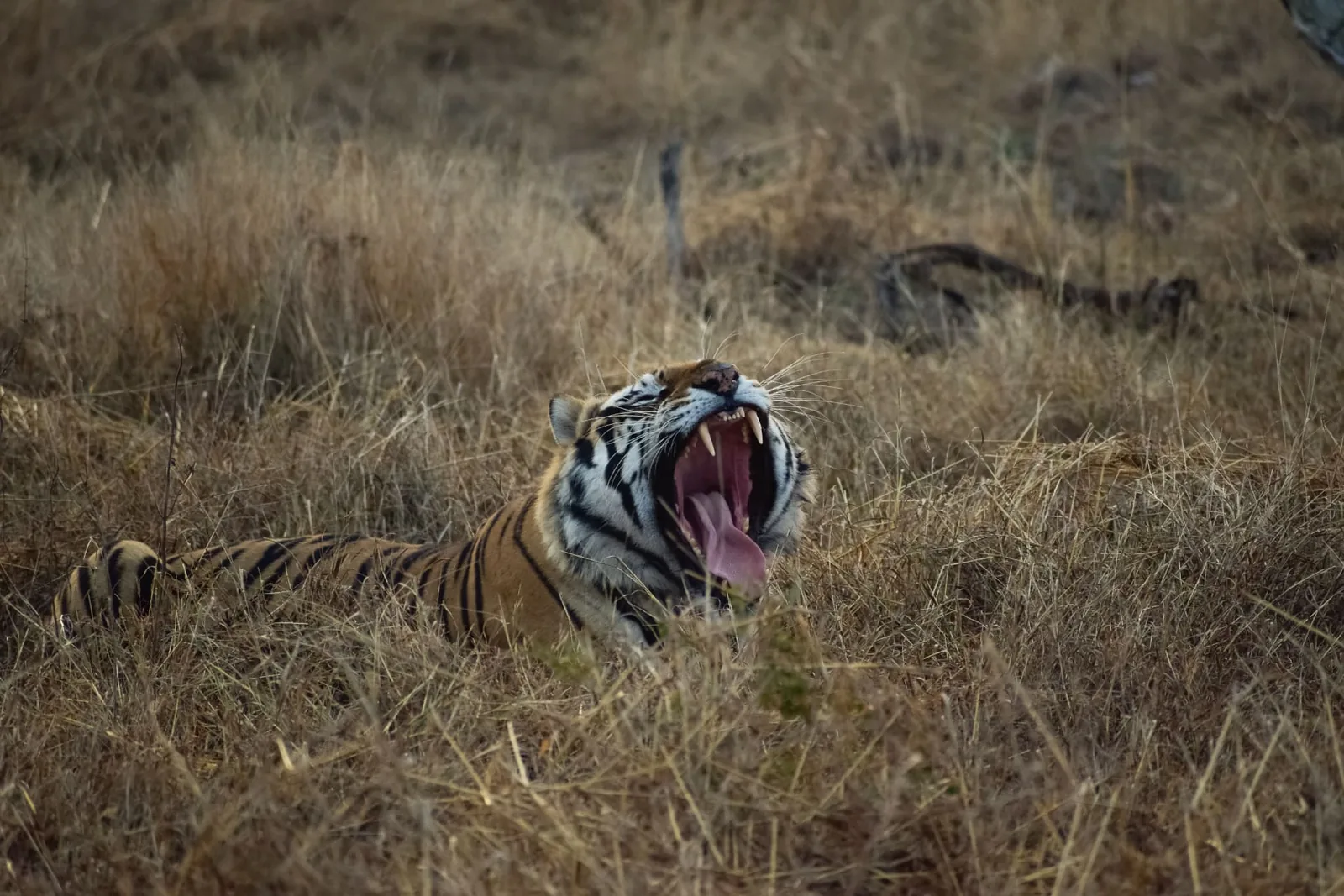
Panna was declared a tiger reserve in 1994 and for years supported a healthy population. Then poaching accelerated. By 2009, official surveys confirmed what field staff had feared — Panna had lost every single tiger. It was the second Indian reserve after Sariska to suffer complete local extinction, and it triggered national outrage.
The reintroduction (2009 onwards)
Madhya Pradesh launched an ambitious recovery programme. Tigers were translocated from Kanha, Bandhavgarh and Pench into Panna — females first, then males. Each animal was radio-collared and monitored continuously, anti-poaching patrols were dramatically strengthened, and village relocation from core areas was accelerated.
The recovery
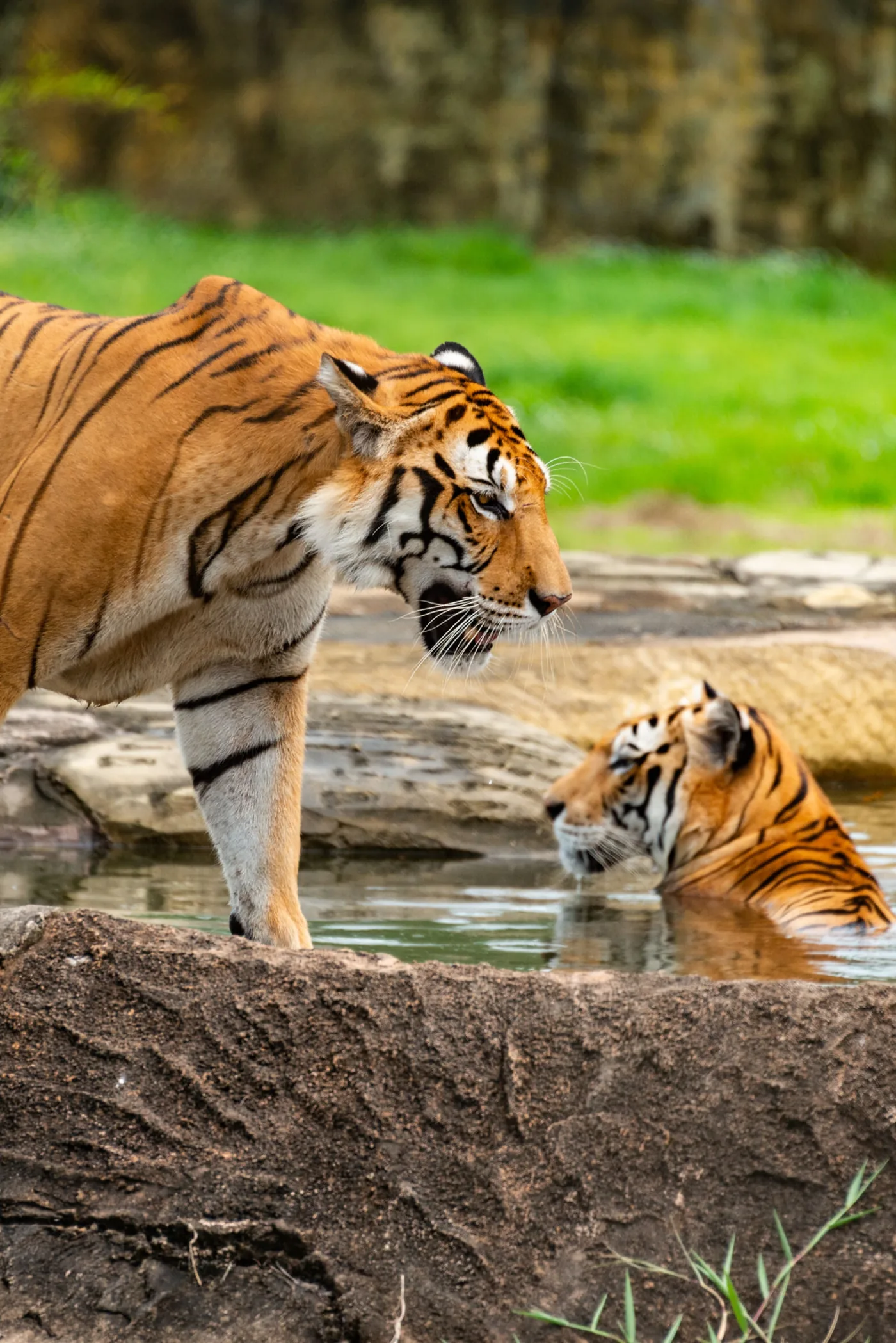
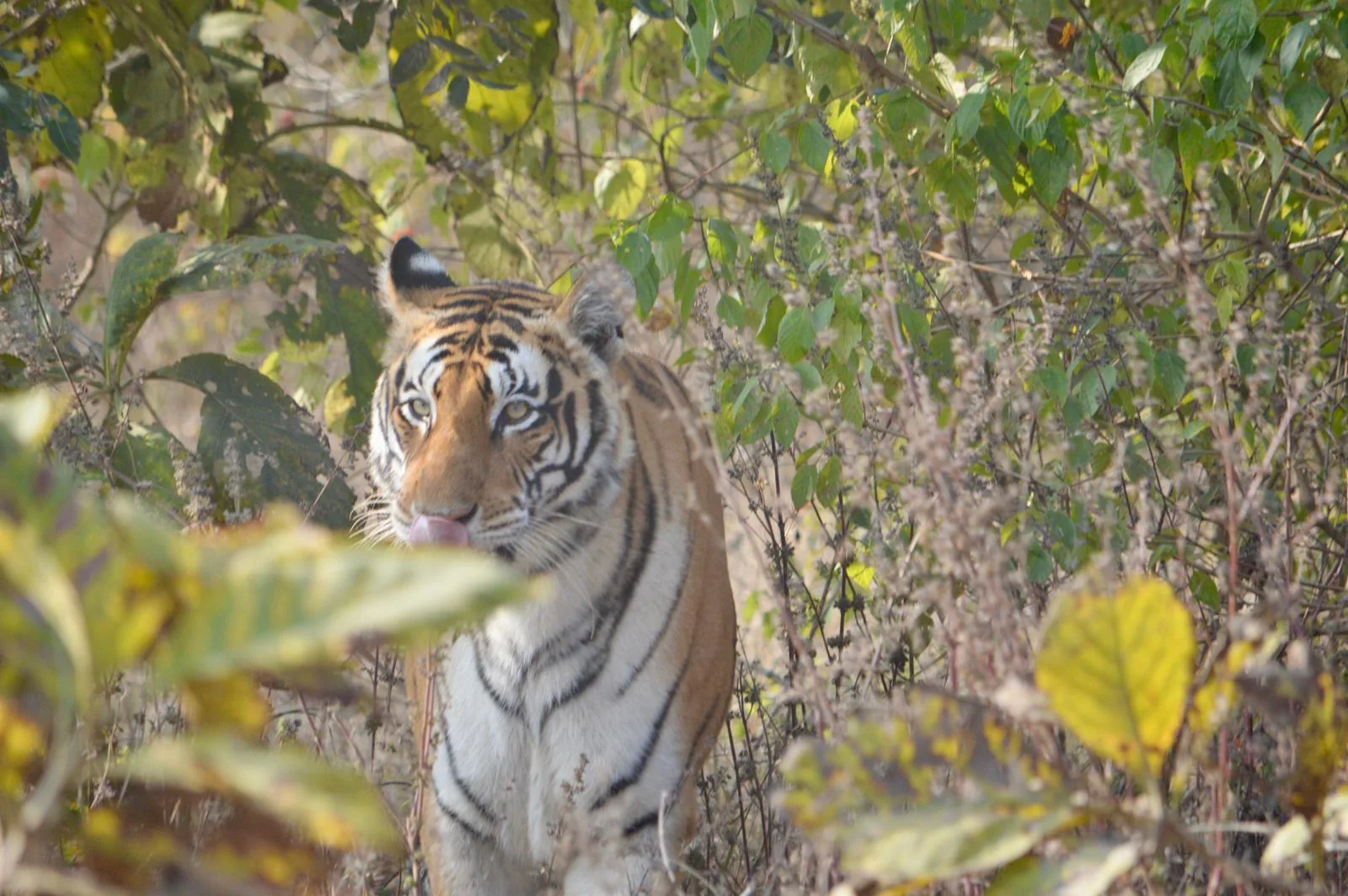
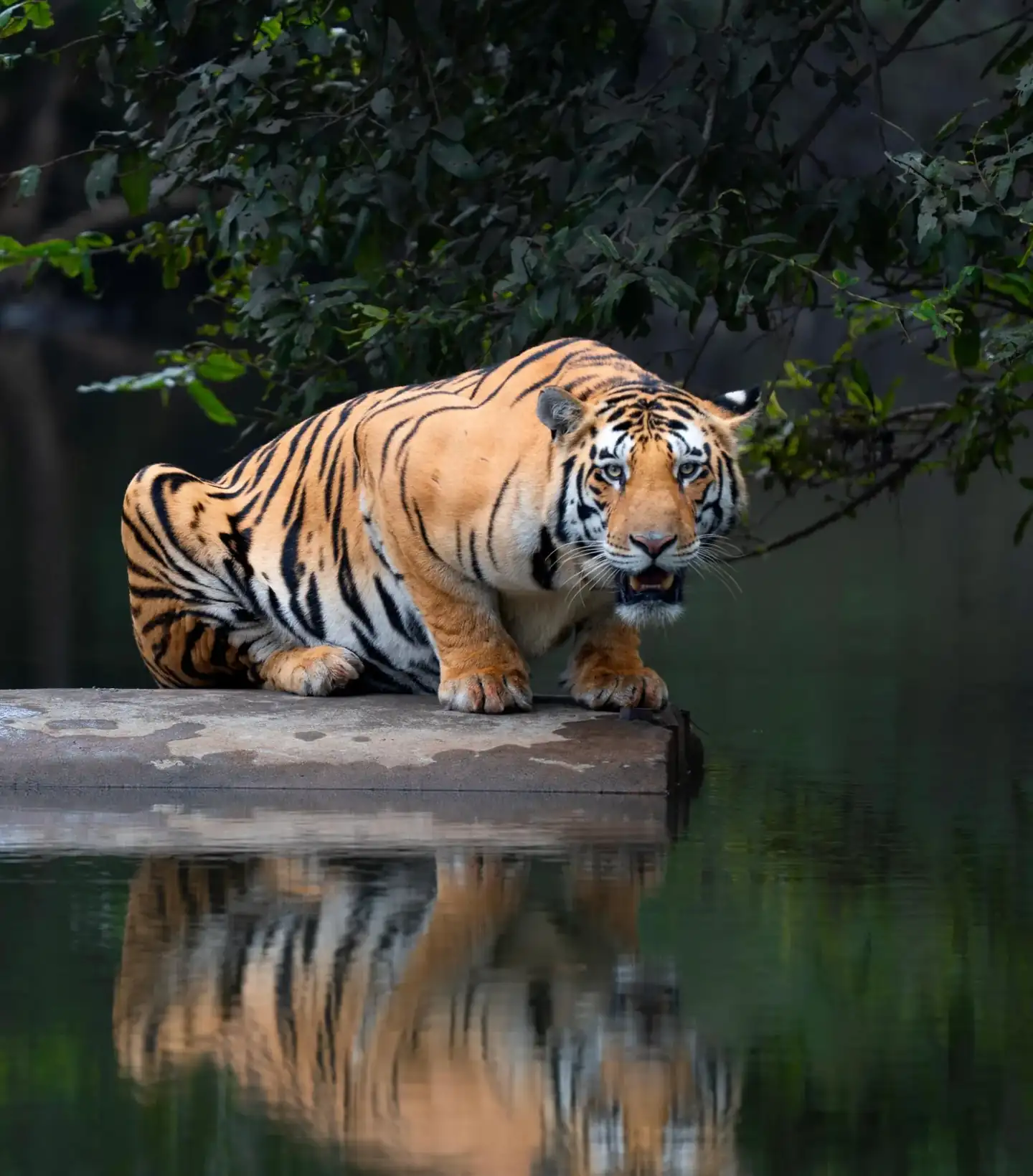
The first litters born in Panna proved the reintroduction was viable, and numbers climbed unusually fast by conservation standards. Today Panna supports over eighty tigers, with breeding occurring naturally across the reserve, and the programme is now studied internationally as a model for tiger recovery. UNESCO designated Panna a Biosphere Reserve in 2020, formally recognising both the ecological value of the landscape and the success of the recovery effort.