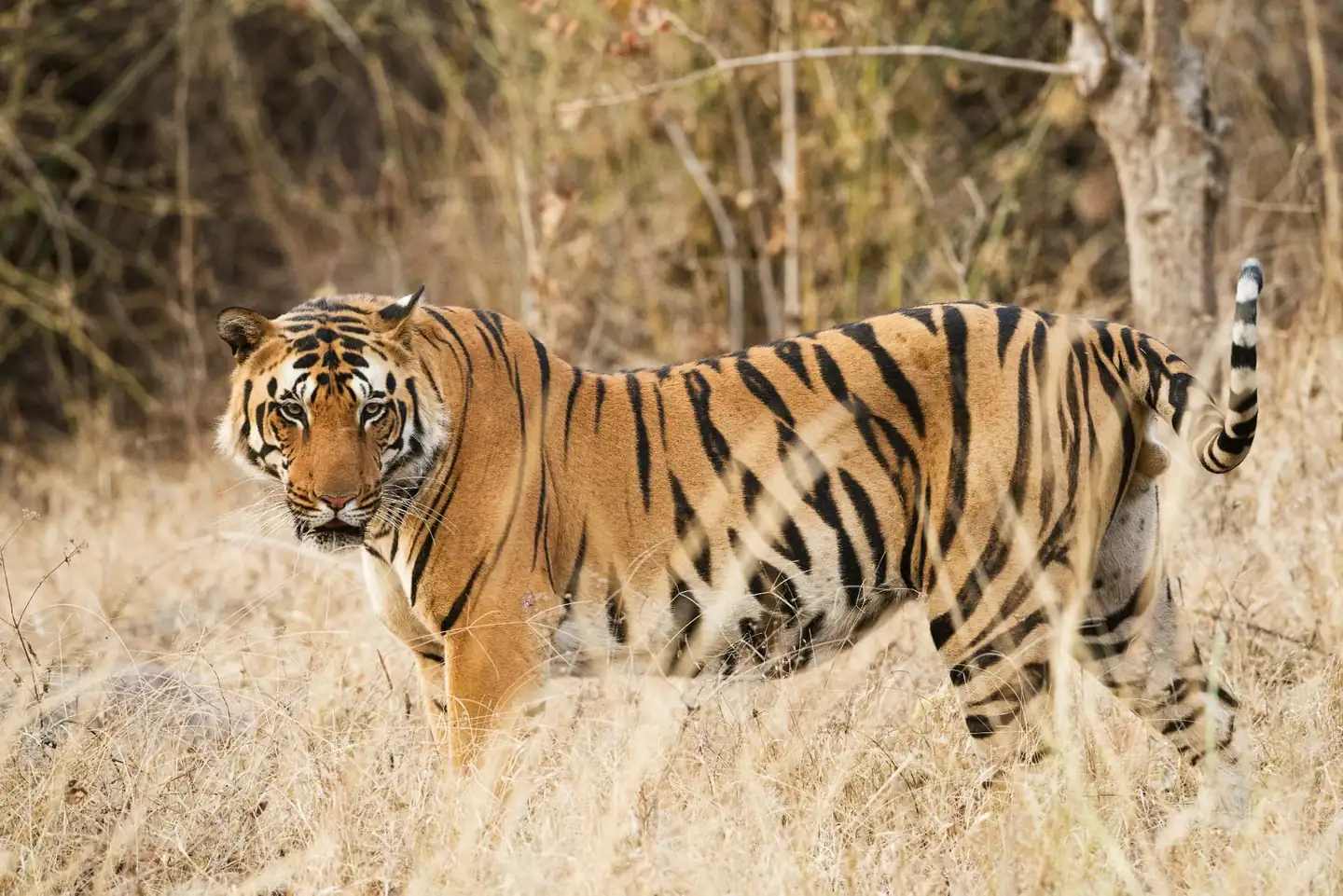
Kanha Tiger Reserve Guide 2026 — Khatiya, Mukki & Sarhi Gates, Every Zone Explained
The complete guide to Kanha's gates and zones: which gate reaches which core and buffer zone, how far each is from Jabalpur and Raipur, and how to choose correctly before you book.
Planning a Safari in Kanha?
Looking to book a jeep safari in Kanha National Park? Explore gate options, zones, permits and booking details through our Kanha Safari Booking page.
Why Kanha's Gate System Matters
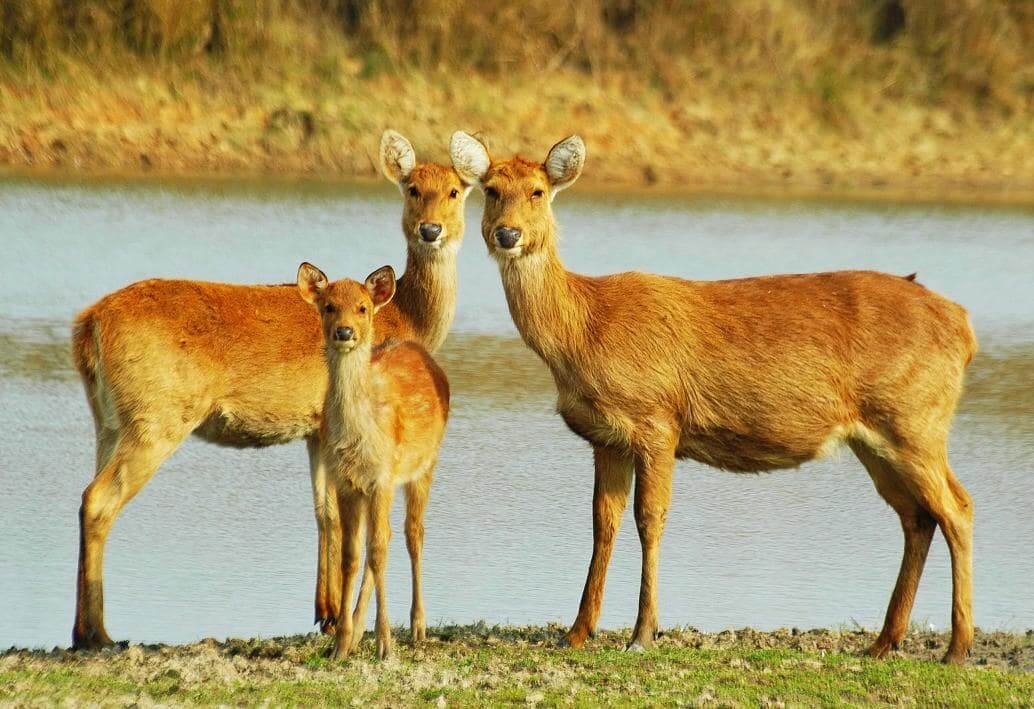
Kanha is the reserve that gave the world Mowgli's jungle — the sal forests and open meadows that inspired Rudyard Kipling still stretch across nearly 2,000 square kilometres of central India, and it remains one of the country's most complete wildlife experiences. Beyond its tigers, Kanha is home to the hard-ground barasingha, a swamp deer subspecies found nowhere else on earth and brought back from the edge of extinction through one of India's most successful conservation stories.
What makes Kanha genuinely different from most other reserves is its gate system. Unlike parks where each gate opens into a single zone, Kanha's three gates give access to different combinations of four core zones and three buffer zones — which means the gate you choose determines far more than just your drive time. Pick the wrong gate and you may find yourself unable to enter the zone you actually wanted.
This guide covers Kanha tiger safari booking online — every gate, every zone it unlocks, and how to choose correctly the first time.
Kanha's Gates and Zones — Complete Guide
Kanha Tiger Reserve has three entry gates. Each one accesses a different set of core and buffer zones, so understanding this before you book is the single most important step in planning a Kanha jungle safari booking.
Core Zones
| Zone | Entry gate | Key distances | Location |
|---|---|---|---|
| Kanha Core Zone | Khatiya Gate / Mukki Gate |
| View on map → |
| Kisli Core Zone | Khatiya Gate / Mukki Gate |
| View on map → |
| Mukki Core Zone | Khatiya Gate / Mukki Gate |
| View on map → |
| Sarhi Core Zone | Khatiya Gate / Sarhi Gate only — not from Mukki Gate |
| View on map → |
Kanha Core Zone
Kanha is the namesake core zone and the one most visitors picture — wide maidans, dense sal forest and the Bamni Dadar plateau. It is reached from both Khatiya and Mukki gates, which makes it one of the easier zones to slot into an itinerary. The landscape here is classic central India tiger country, with strong populations of chital, sambar, gaur and the hard-ground barasingha.
View location on map →Kisli Core Zone
Kisli sits adjacent to Kanha and shares the same sal-and-meadow habitat. It is one of the older tourism zones in the reserve and holds reliable tiger movement through the season. Because both Khatiya and Mukki gates can route into Kisli, it offers useful flexibility when permits for Kanha zone are tight.
View location on map →Mukki Core Zone
Mukki is the southern core zone and the most convenient for travellers approaching from Nagpur, Raipur or Gondia. The terrain is a mix of bamboo, sal and open grassland, and sightings have been consistently strong in recent seasons. It is a good alternative to the busier Khatiya side while still being a genuine core-zone experience.
View location on map →Sarhi Core Zone
Sarhi is the most remote of Kanha's four core zones and the only one that cannot be reached from Mukki Gate. The 70 km separation from Khatiya and Mukki keeps visitor numbers low, and the landscape feels noticeably wilder. It suits travellers who want seclusion and are prepared for the extra drive. If Sarhi is your priority, you must enter through Khatiya or Sarhi gate.
View location on map →Buffer Zones
| Zone | Entry gate | Key distances | Location |
|---|---|---|---|
| Khatiya Buffer Zone | Khatiya Gate |
| View on map → |
| Khapa Buffer Zone | Mukki Gate |
| View on map → |
| Siroja Buffer Zone | Sarhi Gate |
| View on map → |
Khatiya Buffer Zone
The Khatiya buffer sits around the same entry point as the main core zones and offers a quieter, lower-traffic safari option. It is useful for a second or third drive, for photographers who want fewer vehicles, or for visits when core permits are sold out.
View location on map →Khapa Buffer Zone
Khapa is the buffer option on the Mukki side, reached from the same southern approach. It works well as an additional safari for guests staying near Mukki gate and can be a good fallback when core-zone permits are unavailable.
View location on map →Siroja Buffer Zone
Siroja shares Sarhi Gate's remote character and low visitor numbers. It is best treated as part of a dedicated Sarhi-side itinerary rather than a casual add-on, given the distance from the main resort clusters around Khatiya and Mukki.
View location on map →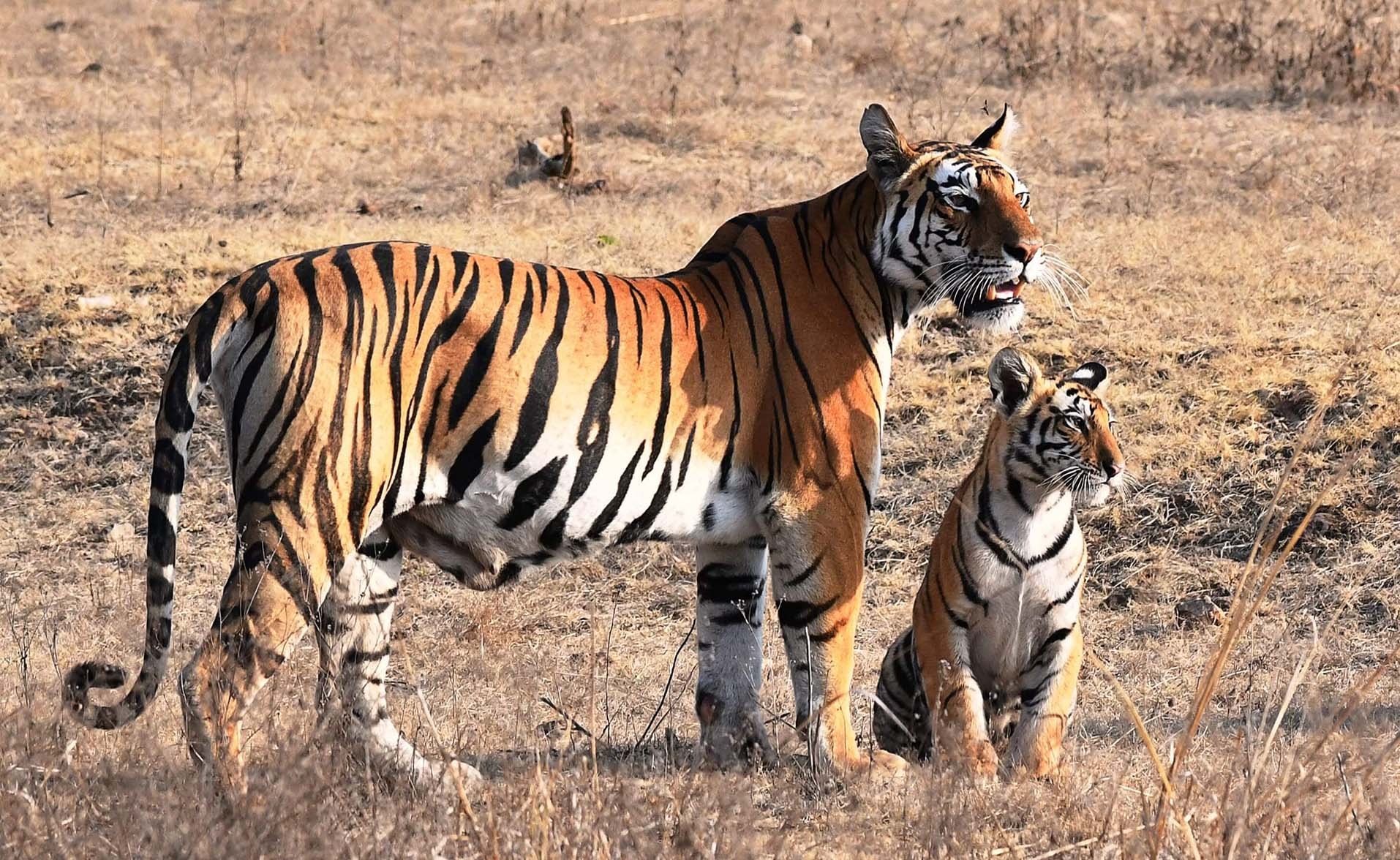
Which Gate Should You Choose?
- Want maximum flexibility: Khatiya Gate is the only entry point that reaches all four core zones — the safest choice if you're not certain which zone will have permits available on your travel date.
- Arriving from Nagpur or Raipur: Mukki Gate's southern position makes it the more convenient approach, giving you three of the four core zones (Kanha, Kisli, Mukki).
- Want a quieter, less-crowded safari: Sarhi's 70 km distance from the other gates keeps visitor numbers noticeably lower — a genuine trade-off between seclusion and travel time.
- Planning to combine Kanha with Jabalpur: Khatiya and Mukki are both more central; Sarhi's 142 km distance from Jabalpur makes it a longer detour.
Important: Sarhi Core cannot be reached from Mukki Gate. If Sarhi is your priority zone, you must enter through either Khatiya or Sarhi gate.
Quick Booking Steps
- Share your preferred travel dates and number of travellers
- Choose your safari zone and gate (we help you pick the best one)
- We check live permit availability for your dates
- Receive a written quote stating the total amount payable before payment is requested
- Confirm and receive your booking confirmation on WhatsApp
Standard Safari Slot Timings
- Morning safari: 6:00 AM – 11:00 AM
- Evening safari: 3:00 PM – 6:00 PM
Timings shift slightly by season — always confirm current slots when your Kanha safari permit booking is confirmed.
Planning your wildlife tour? Connect with our dedicated concierge on WhatsApp (+91 76930 77363) for zone availability and gate guidance.
Best Time to Visit Kanha
Kanha is open from 1 October to 30 June, closed through the monsoon (July–September).
- October–February: Cooler, greener landscape, comfortable safari conditions.
- March–June: Vegetation dries back and wildlife concentrates around remaining water sources — tiger sighting chances typically improve through the summer months.
Kanha's Barasingha — What Makes This Reserve Unique
The hard-ground barasingha's population had fallen to roughly sixty-six animals by the early 1970s. Kanha's dedicated conservation programme brought the subspecies back from near extinction, and today healthy herds graze across the reserve's open meadows — a sighting you won't get at most other Indian tiger reserves.
How to Reach Kanha
Nearest airport: Jabalpur (most convenient for Khatiya and Sarhi gates).
Nearest railway station: Jabalpur, or Gondia/Nagpur for Mukki gate access.
By road: Jabalpur connects well to both Khatiya and Sarhi sides; Nagpur and Raipur are the more practical approach for Mukki gate.
Where to Stay Near Kanha
Accommodation is broadly split by gate — resorts near Khatiya, Mukki and (less commonly) Sarhi. Matching your resort to your chosen gate matters more at Kanha than almost anywhere else, given how far apart the gates sit — particularly Sarhi's 70 km distance from the other two. TheForestStay's team matches your zone choice to a resort near the same gate to avoid long, unnecessary transfers on safari mornings.
For curated options, see our Kanha Tiger Reserve resorts listing or the wider MP Tiger Reserve Resorts page.
Frequently Asked Questions
Which gate is best for Kanha Tiger Reserve?+
Khatiya Gate is the best choice for most visitors because it is the only gate offering access to all four core zones — Kanha, Kisli, Mukki and Sarhi — plus the Khatiya buffer, giving maximum flexibility if permits for a particular zone are unavailable.
How does the Kanha gate and zone system work?+
Your entry gate determines which zones you can visit. Khatiya accesses all four core zones plus Khatiya Buffer. Mukki accesses Kanha, Kisli and Mukki cores plus Khapa Buffer. Sarhi accesses only Sarhi Core and Siroja Buffer.
Can I visit Sarhi Core from Mukki gate?+
No. Mukki gate does not provide access to Sarhi Core. To visit Sarhi Core, you must enter through either Khatiya gate or Sarhi gate.
How far is Sarhi from the other Kanha gates?+
Sarhi sits 70 km from both Khatiya and Mukki gates, 142 km from Jabalpur, and 223 km from Raipur — significantly more remote than the other two entry points.
When is Kanha Tiger Reserve open?+
Kanha is open from 1 October to 30 June, closing during the monsoon from July to September.
Is Kanha or Bandhavgarh better for a first safari?+
Both offer excellent experiences. Bandhavgarh has higher tiger density in a more compact area; Kanha offers a more spacious landscape, the unique barasingha sighting, and generally feels less crowded, particularly around Sarhi.
Is a Kanha jungle safari booking available online?+
Yes, permits can be booked through the official forest department portal, or TheForestStay can arrange the full Kanha tiger safari booking — gate selection, permit, Gypsy arrangement and resort matched to your chosen entry point.
Plan Your Kanha Safari
Check safari booking options, gates, zones and permit information for your visit to Kanha National Park.
Explore More Safari Guides
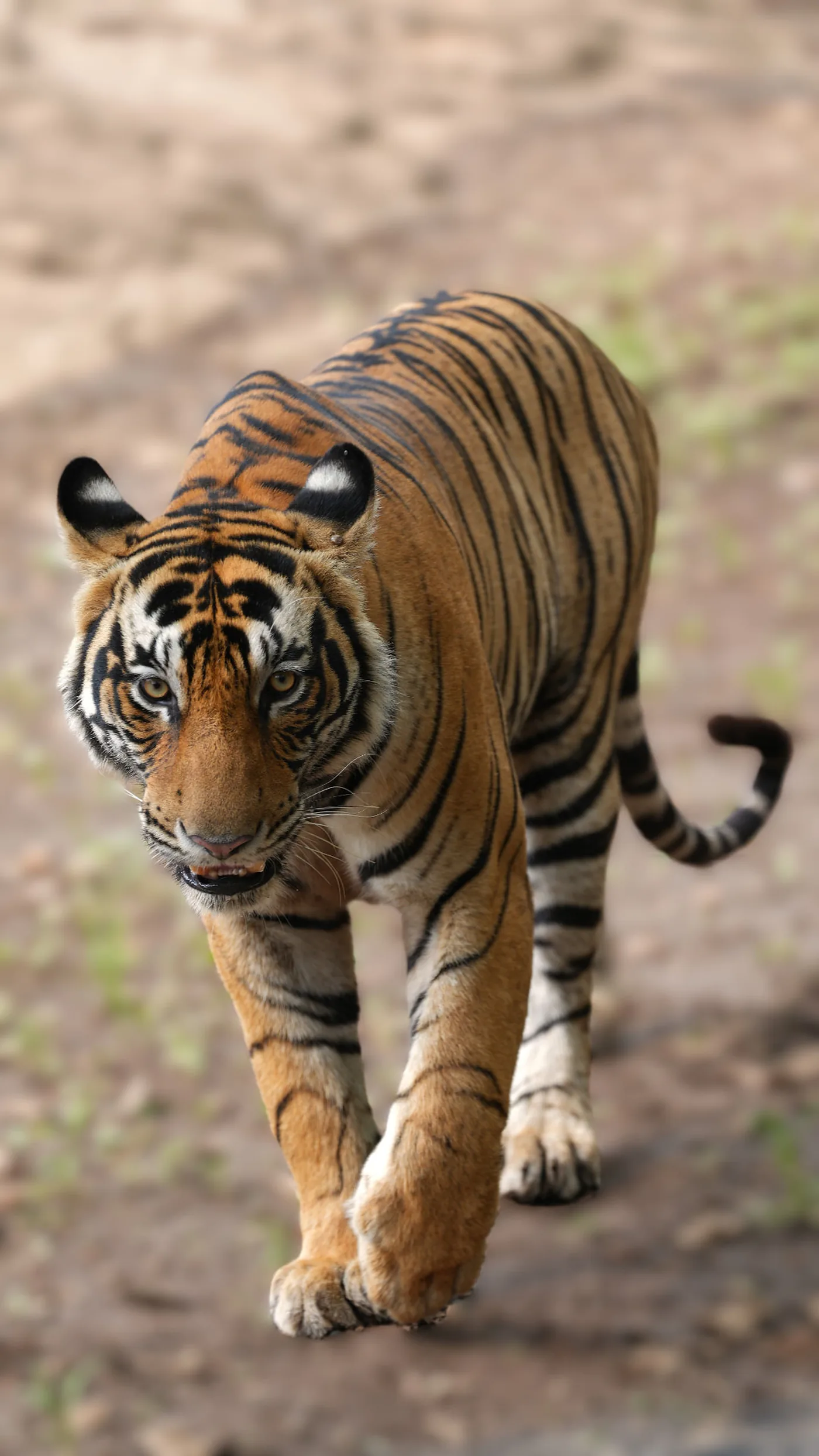
Panna Tiger Reserve Guide 2026
Madla, Hinouta and Akola gates explained — core and buffer zones, distances from Khajuraho and Panna town, best season and where to stay near the Ken River.
Read guide →
Satpura Tiger Reserve Guide 2026
Madhai, Churna, Mallupura, Panarpani, Parsapani, Bargondi and Tamia zones explained — plus walking, boat and night safaris, best season and where to stay.
Read guide →