Satpura Tiger Reserve Guide — Wildlife, History & Best Time to Visit
An overview of Satpura Tiger Reserve — its landscape and wildlife, the walking, boat and jeep safari experience, the best months to visit and how to reach the reserve.
Satpura's Unique Character
Satpura Tiger Reserve lies along the Satpura Range in Hoshangabad (Narmadapuram) district of Madhya Pradesh, and it does not look or feel like the other central Indian reserves. The landscape is dramatic — sandstone escarpments, deep ravines, plateaus and gorges, wrapped in sal, teak and bamboo, with the Denwa and Sonbhadra rivers cutting through it. Where Kanha gives you sweeping meadows and Bandhavgarh gives you cliffs and high tiger density, Satpura gives you scale, silence and terrain that changes every few kilometres.
The reserve forms the heart of the larger Satpura-Pachmarhi biosphere reserve, which brings together Satpura National Park, the Bori and Pachmarhi sanctuaries into one contiguous conservation landscape. That size, combined with a low visitor cap, is why Satpura remains one of the least crowded major reserves in India — it is common to spend an entire drive without passing another vehicle.
Its real distinction, though, is the range of ways you are allowed to experience it. Satpura is one of the very few Indian tiger reserves where guests can do a guided walking safari on foot, a boat safari on the Denwa backwaters, and a night safari in permitted buffer areas — alongside the standard jeep safari. No other tiger reserve in central India offers that combination.
This guide covers what the reserve is like — its landscape and wildlife, the safari experience, the best months to travel, how to reach it and where to stay.
Best Time to Visit Satpura Tiger Reserve
Satpura core zones open on 1 October and close on 30 June for the monsoon, the same pattern as other central India reserves. Within that nine-month window the reserve behaves quite differently from month to month.
- October to February: The most comfortable window and clearly the best for walking safaris. Mornings are crisp — Pachmarhi and the higher parts of the reserve can drop into single digits in December and January — and the forest is still green from the monsoon. Birding is at its peak with winter migrants on the Denwa, and boat safaris are at their most pleasant. Carry proper layers for morning drives.
- March to June: Hot, dry, and the strongest period for big-cat sightings. As the streams dry up, animals concentrate around the remaining waterholes and the river edge, and movement becomes far more predictable. May and early June are the most productive weeks of the year, though afternoons regularly cross 40°C and walking safaris become less comfortable.
A simple rule: come between October and February if you want the full walking-and-boating Satpura experience in good weather, and between March and June if maximum sighting probability is your priority.
Satpura Safari Zones — What Each One Is Like
Satpura's zones are spread widely across the reserve and are reached from four different base towns — Pipariya, Itarsi, Betul and Pachmarhi. Madhai and the Bheemkund side sit far apart on opposite approaches, so a single hotel cannot serve both. Decide your zone first, then book your stay on that side.
Core Zones
| Zone | Entry gate | Location |
|---|---|---|
| Madhai Core | MPT Bison Gate | View on map → |
| Churna Core | Bheemkund Gate | View on map → |
| Mallupura Core | Bheemkund Gate | View on map → |
| Panarpani Core Zone | Panarpani Gate | View on map → |
Madhai Core
Madhai is the main entry point to Satpura and the one most travellers use. It is the only side of the reserve where you can combine all three signature experiences in a single stay — a jeep safari into the core, a boat ride across the Denwa backwaters, and a guided walking safari on foot. The gate sits across the river from the resort belt, so your morning usually begins with a short boat crossing before you board the gypsy, which is a memorable start in itself. Habitat here mixes riverine edge, dense forest and grassland, and it is the most reliable side for sloth bear, gaur and Indian giant squirrel alongside tiger and leopard movement.
View location on map →Churna Core
Churna sits deep inside the reserve and is the choice for travellers who want forest rather than facilities. Vehicle numbers are low, the drive in is long, and the habitat — sal, teak, bamboo and hill streams — is as pristine as central India gets. Tiger presence here is strong and sightings, when they come, are usually undisturbed by other gypsies. Accommodation nearby is very limited, so this zone rewards travellers who are comfortable with basic facilities.
View location on map →Mallupura Core
Mallupura shares the Bheemkund entry with Churna and covers the same wild, sparsely visited landscape. It works as a quieter alternative when Churna permits are taken, and the routing gives a different set of waterholes and ridgelines to work. The character of a drive here is much the same as Churna — long, slow and almost solitary.
View location on map →Panarpani Core Zone
Panarpani is the most convenient core zone for anyone staying in Pachmarhi, with pick-up and drop available directly from your hotel there. The terrain is higher and cooler than Madhai, with good chances of sambar, gaur, langur and the Indian giant squirrel, plus tiger and leopard movement through the season. If Pachmarhi is already on your itinerary, this zone lets you add a genuine core-zone drive without relocating.
View location on map →Buffer Zones
| Zone | Entry gate | Location |
|---|---|---|
| Parsapani Buffer | MPT Bison Gate (Madhai side) | View on map → |
| Pachmarhi Bargondi Buffer | Bargondi Gate | View on map → |
| Tamia (Delakheri) Buffer | Seethadongri Gate | View on map → |
Parsapani Buffer
Parsapani is the buffer alongside Madhai and uses the same Bison Gate approach, which makes it an easy second or third drive for guests already staying on the Denwa. Buffer permits are usually easier to secure at short notice, and the mix of riverine edge, scrub and forest produces excellent birding, leopard movement and regular herbivore activity. Night safaris, where the forest department permits them, run in buffer areas like this rather than in the core.
View location on map →Pachmarhi Bargondi Buffer
Bargondi is the practical buffer option for hill-station guests. The drive itself passes through beautiful Satpura country, and the zone is a good pairing with a Panarpani core safari on the same trip — one morning in the core, one afternoon in the buffer, without changing hotels.
View location on map →Tamia (Delakheri) Buffer
Tamia is the most remote buffer in the Satpura landscape and suits travellers already exploring the Tamia and Patalkot hill region on the Chhindwara side. Visitor numbers are very low, the forest is dense, and the appeal here is solitude and landscape as much as big-cat sightings.
View location on map →Choosing between Madhai and Bheemkund gates? Read our detailed Satpura Gates & Zones guide to pick the right entry point for your safari — it carries the gate-by-gate road distances and a full map of which zones each entry opens.
Quick Booking Steps
- Share your preferred travel dates and number of travellers
- Choose your safari zone and gate (we help you pick the best one)
- We check live permit availability for your dates
- Receive a written quote stating the total amount payable before payment is requested
- Confirm and receive your booking confirmation on WhatsApp
What Makes Satpura Different — Walking, Boat & Night Safaris
Most Indian tiger reserves offer one thing: a jeep drive on fixed tracks. Satpura offers four, and combining them over two or three days gives a far richer picture of the forest than any single safari type can.
- Walking safari: Satpura is one of the very few reserves in India where visitors may walk inside the protected forest, always accompanied by an armed forest guard and a trained naturalist. Walks typically run two to three hours in designated stretches on the Madhai side. You will not cover much ground, and that is the point — you learn to read pugmarks, scat, alarm calls, termite mounds and bark scratches. It is the single best way to understand how a forest actually works.
- Boat safari: The Denwa river and its reservoir form a long water boundary along the reserve. A boat drift at first light or in the last hour of daylight brings you close to mugger crocodiles basking on the banks, otters, gaur coming down to drink, and an exceptional spread of waterbirds and raptors. At Madhai, the short crossing to the gate already gives you a taste of it.
- Night safari: Where the forest department permits it, night drives run in buffer areas rather than the core. Under a spotlight the forest yields a completely different cast — civets, porcupines, jungle cats, nightjars, hares, flying squirrels and, with luck, leopard. Availability varies by season and permission, so confirm it at the time of booking rather than on arrival.
- Jeep safari: The standard core-zone gypsy drive, seating up to six, with morning and afternoon slots. This remains the best option for covering distance and for serious photography.
Planning your wildlife tour? Connect with our dedicated concierge on WhatsApp (+91 76930 77363) for zone availability and gate guidance.
Safari Experience Overview — Permits in Brief
Satpura permits are issued by the Madhya Pradesh Forest Department and are tied to a specific date, slot, gate and zone as well as to traveller ID details. Two slots run daily, a morning and an evening drive, with reporting times shifting through the season. Walking and boat safaris have small daily caps and fill before jeep permits do.
For zone-by-zone permit guidance, booking steps and current options, visit our Satpura safari booking page.
Plan Your Satpura Safari
Check safari booking options, zones, permits and availability for your visit to Satpura Tiger Reserve.
Satpura Safari BookingTiger Sighting Probability & Wildlife
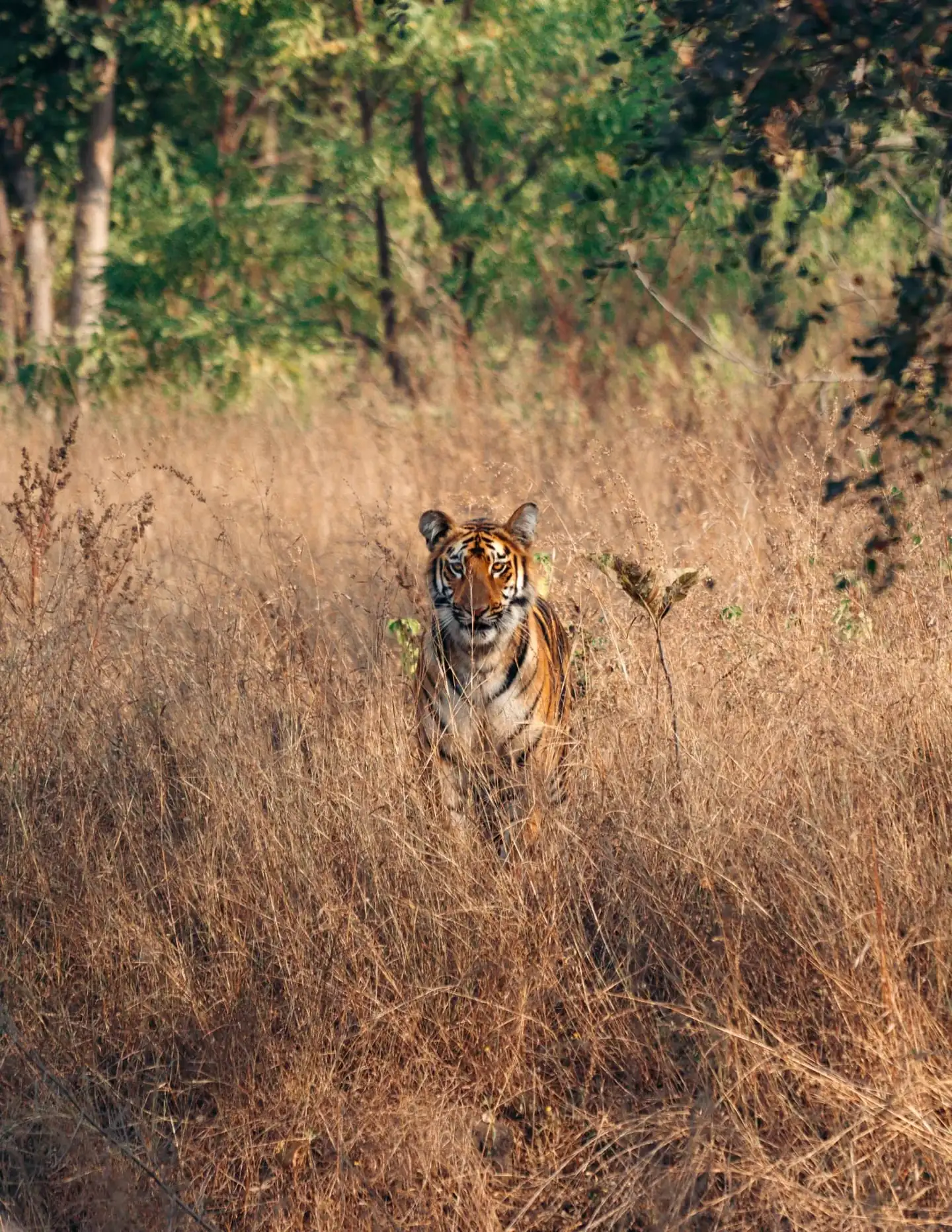
It is worth being straightforward about Satpura: tiger density here is lower than at Kanha or Bandhavgarh, and the terrain is far more broken, so sightings take patience. What Satpura gives in exchange is a genuinely wild, uncrowded forest where the supporting cast is exceptional and the odds on species you rarely see elsewhere are unusually good.
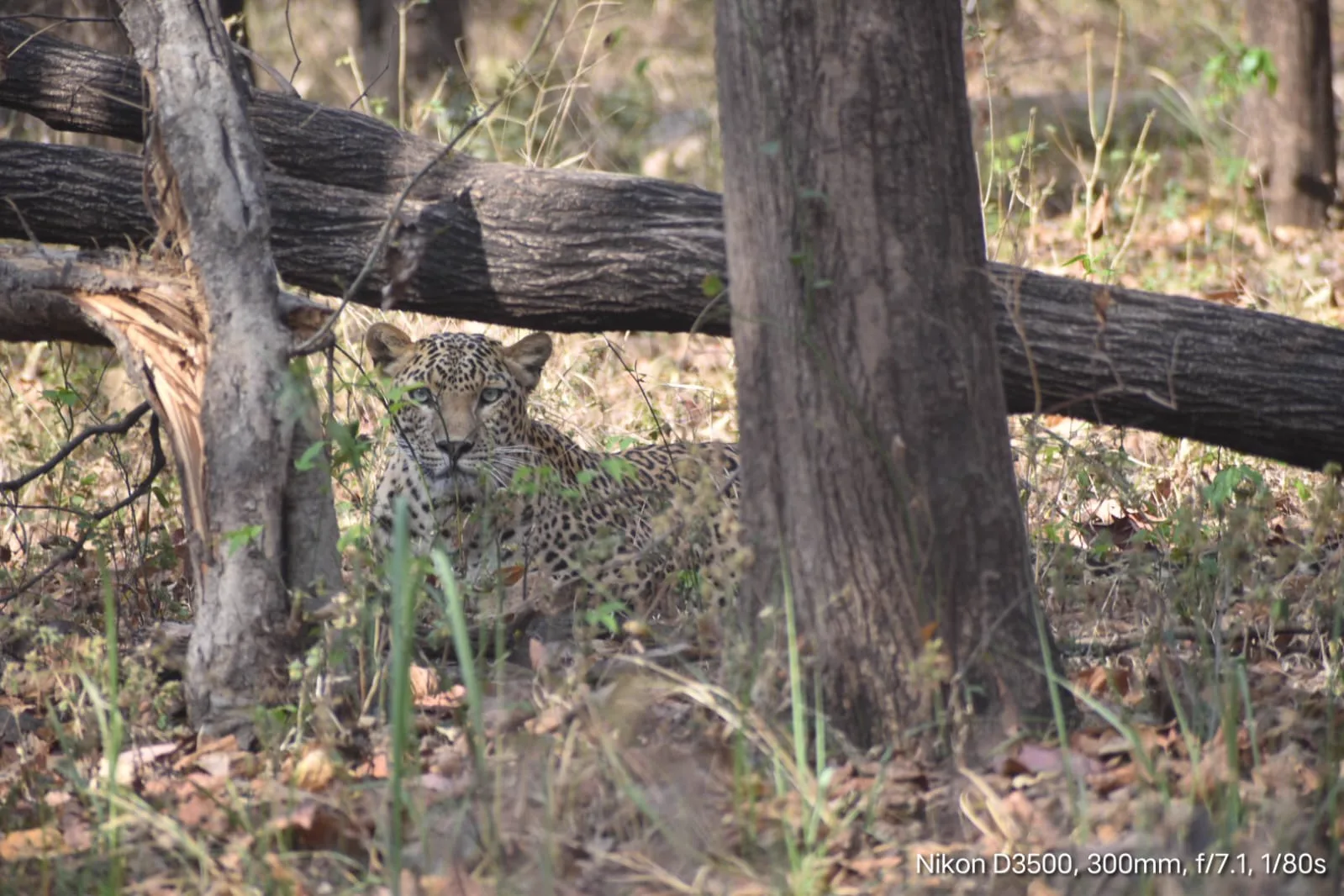
- Tiger and leopard: Both are resident throughout the core zones, with Churna and Mallupura holding strong tiger presence and leopards seen regularly across the reserve. March to June improves the odds considerably.
- Sloth bear: Satpura is one of the best reserves in India for sloth bear. The rocky, cave-riddled hills suit them, and sightings — often a mother with cubs riding on her back — are a real highlight.
- Indian giant squirrel (Malabar giant squirrel): A Satpura signature, common in the taller canopy and rarely seen in the other central Indian reserves.
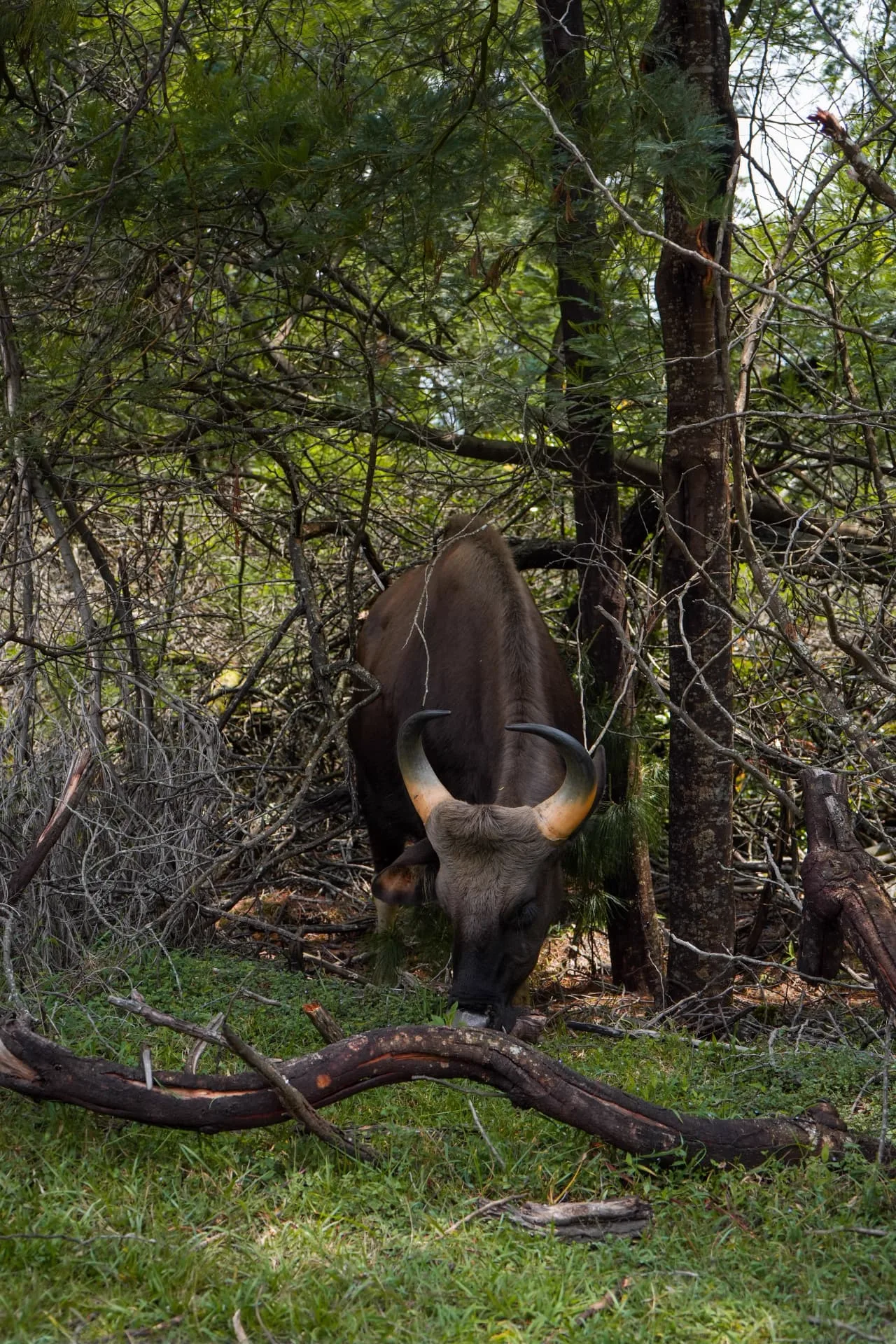
- Gaur: Large herds of Indian bison move through the meadows and river edges, particularly striking in the early morning light near Madhai.
- Deer and antelope: Sambar, chital and barking deer are widespread, and Satpura also holds the four-horned antelope (chousingha), a small, shy species you are unlikely to tick off anywhere else in the region.
- River wildlife: The Denwa supports mugger crocodiles, smooth-coated otters and an outstanding range of birdlife — fish eagles, ospreys, storks, kingfishers, river terns and, from November, a good number of winter migrants.
How to Reach Satpura Tiger Reserve
By rail: Pipariya is the nearest station to Madhai at 30 km, and is well connected on the Delhi–Jabalpur route. Itarsi is the larger junction, 66 km from Madhai and 59 km from the Bheemkund Gate for Churna and Mallupura, with trains from almost every direction in India.
By air: Raja Bhoj Airport, Bhopal is the nearest airport, roughly 134 km from Madhai and 155 km from Bheemkund Gate — a three to four hour drive. Nagpur and Jabalpur are alternative airports for travellers combining Satpura with Pench or Kanha.
By road: match your transfer to your gate rather than to the reserve name — a car heading to Madhai and one heading to Bheemkund take entirely different routes out of Bhopal. Pachmarhi is the base for the Panarpani and Bargondi side, and Tamia for the Delakheri buffer. Gate-by-gate road distances from Pipariya, Itarsi, Betul, Pachmarhi and Bhopal are tabulated in our gates and zones guide.
Where to Stay Near Satpura
Madhai has by far the largest cluster of accommodation, ranging from simple forest-edge lodges to premium riverside camps looking across the Denwa. If this is your first Satpura trip, or if walking and boat safaris are on your list, stay here — the logistics are simplest and the range of properties is widest.
Churna is remote and stays are very limited; most visitors either use forest department accommodation or drive in from Itarsi or Betul for the day. Plan this zone only if you are comfortable with basic facilities and long transfers in exchange for near-total solitude.
Pachmarhi is a full hill station with hotels across every budget, and it works beautifully as a base for the Panarpani core zone (8 km) and the Bargondi buffer (30 km). It also lets you combine safaris with waterfalls, viewpoints and the Pachmarhi cave shelters, which suits families and mixed-interest groups.
For curated property options across Satpura and the other central Indian reserves, see our MP Tiger Reserve Resorts page, or the dedicated Satpura Tiger Reserve resorts listing. We can combine stay and permits in a single itinerary so your resort matches the gate you have actually booked.
Frequently Asked Questions
Which Satpura zone is best for a walking safari?+
Madhai. Guided walking safaris with an armed forest guard and a trained naturalist operate from the Madhai side, usually starting with a boat crossing of the Denwa. Walks are conducted in designated stretches, cover roughly two to three hours, and focus on tracks, birds, plants and signs rather than guaranteed big-cat sightings. They are best booked for the cooler October–February months.
Can I stay in Pachmarhi and do a Satpura safari?+
Yes. Panarpani core zone is only 8 km from Pachmarhi and offers pick-up and drop from the hill station, and the Bargondi buffer is 30 km away. Madhai is 80 km from Pachmarhi, which is doable as a long day trip but far better done from a Madhai-side resort if you want an early morning slot.
Is Satpura open in the monsoon?+
Satpura core zones close on 30 June and reopen on 1 October. Selected buffer routes may operate outside that window depending on rainfall and forest department decisions, but boat and walking safaris are usually suspended during heavy monsoon. October to June is the dependable season.
What is the difference between the Madhai and Churna zones?+
Madhai is the accessible, full-service side — resorts, boat safaris, walking safaris, jeep safaris and easy transfers from Pipariya or Bhopal. Churna is remote, reached via Bheemkund Gate from Itarsi or Betul, with very few vehicles and almost no accommodation nearby. Choose Madhai for variety and comfort, Churna for wilderness.
How good are tiger sightings at Satpura?+
Satpura is a lower-density sighting reserve than Kanha or Bandhavgarh, and honest expectations matter. What it offers instead is quality — very few vehicles, exceptional habitat, and outstanding chances of sloth bear, leopard, gaur, Indian giant squirrel and the four-horned antelope. Sighting probability rises sharply between March and June as water sources shrink.
How far in advance should I book Satpura safari permits?+
For October–December and March–May, aim for 60–90 days ahead, and earlier for long weekends. Walking and boat safaris at Madhai have limited daily capacity and often fill before jeep permits do, so book those first if they are your priority.
Ready to book your Satpura safari?
Tell us your dates and whether you want jeep, walking, boat or night safaris. We will check permit availability and recommend the right zone for your base town. Before any payment is requested, we send a written quote stating the total amount payable. Our cancellation and refund policy applies to all bookings and is available on our Terms page.
Explore More Safari Guides
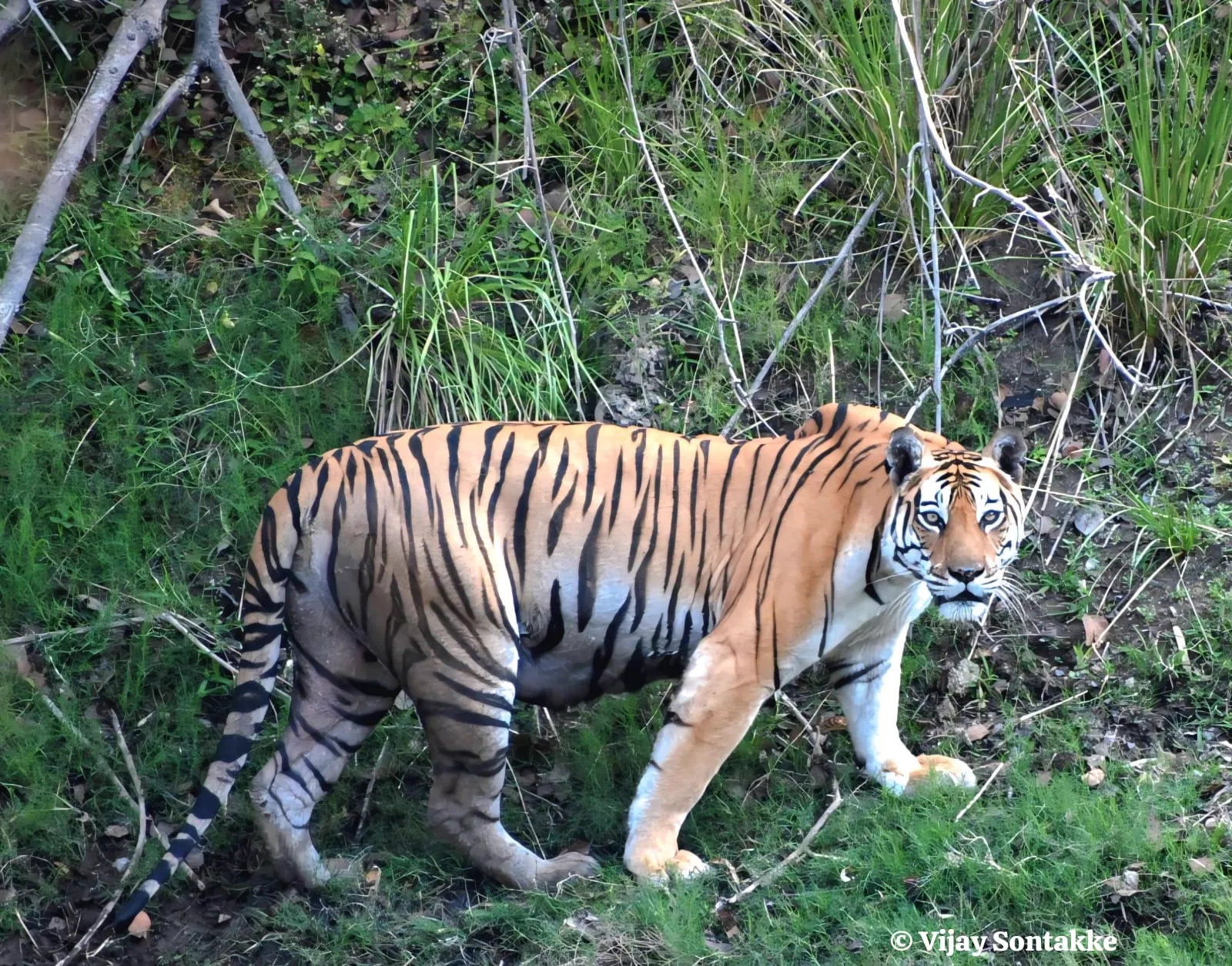
Pench Tiger Reserve Guide 2026
A gate-by-gate guide to Pench's Madhya Pradesh and Maharashtra zones — Turiya, Karmajhiri, Jamtara, Sillari, Khursapar and more, with booking and resort advice.
Read guide →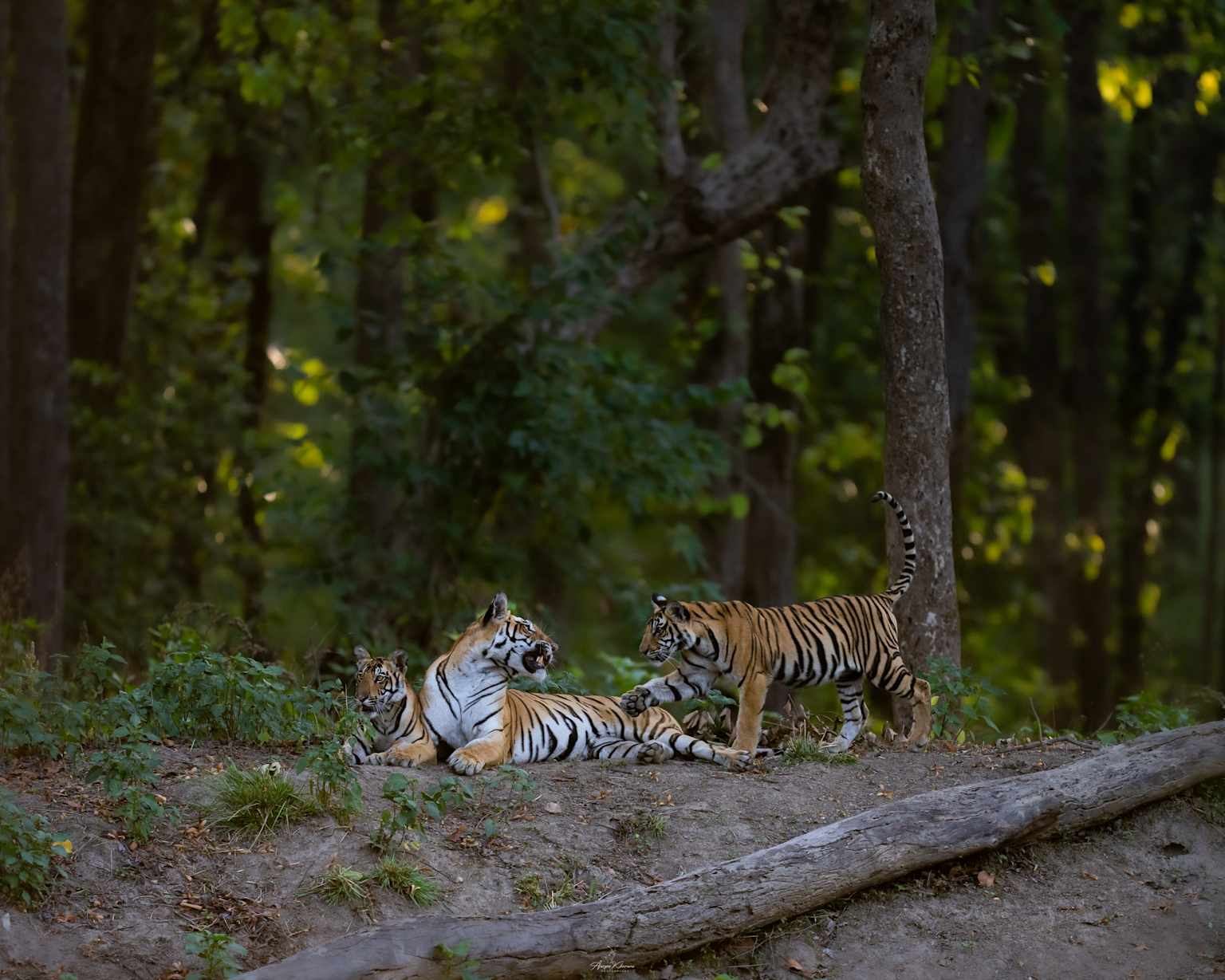
Nagzira Safari Gates and Resorts Guide 2026
Nagzira safari gates — Chorkhamara, Pitezari and Mangezari — in Navegaon-Nagzira Tiger Reserve, with resorts listed by the gate they are near, closure days and rules.
Read guide →