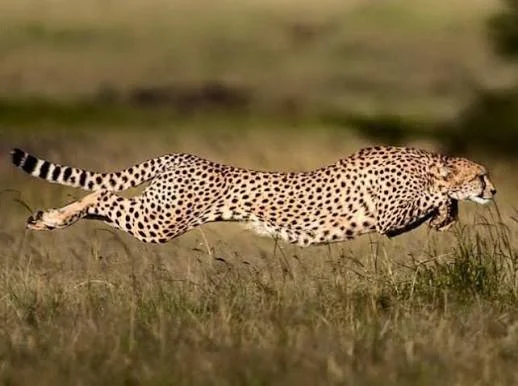
Kuno National Park Guide — Cheetahs, Wildlife & Trip Planning
India's cheetah reintroduction project, the wildlife beyond cheetahs, the best time to visit and how to plan a trip to Kuno.
Why Kuno Feels Different
If you're used to planning trips to Kanha or Bandhavgarh, Kuno will surprise you — and not just because of the cheetahs. The gates work differently, the landscape looks nothing like a sal forest, and the rules on the ground are stricter than anywhere else in central India. This guide answers the questions first-time visitors actually ask before a Kuno cheetah safari booking, based on how the reserve currently operates.
Start with the Right Expectation
India's cheetah safari opened on 1 October 2025 — this is a young operation, not a mature one like Kanha or Corbett. Of Kuno's 54 cheetahs, only 17 are currently free-ranging in the wild; the rest remain in soft bomas for conditioning and breeding management. That means a Kuno jungle safari booking gives you a genuine chance at a cheetah sighting — not a guarantee. Go in with that understanding and the trip delivers something few other places on earth can offer.
The Three Gates, with Locations
Kuno operates three gates throughout the season (1 October – 30 June), and picking between them mostly comes down to your approach route rather than one being definitively "better":
| Gate | Access | Location |
|---|---|---|
| Ahera Gate | Pohri village (~20 km) | View on map → |
| Tiktoli Gate | Sesaipura village (18 km) | View on map → |
| Peepalbawadi Gate | Agra village | View on map → |
Ahera Gate
Ahera is accessed from Pohri village and sits in the Parond forest range — the zone where the first publicly viewable cheetahs (Agni and Vayu) were released. It has been the most established gate for cheetah viewing since the safari opened.
View location on map →Tiktoli Gate
Tiktoli is Kuno's original main entrance. It was restricted early in Project Cheetah because quarantine and conditioning bomas were located in this zone, but it now operates as a full safari gate throughout the season.
View location on map →Peepalbawadi Gate
Peepalbawadi is accessed from Agra village and is generally the quietest of the three gates, with fewer vehicles on the tracks.
View location on map →If cheetah sightings are your absolute priority, Ahera's connection to the Parond range gives it a slight edge. Otherwise, choose based on which approach route suits your travel plan.
Book Earlier Than You Think You Need To
Permits open 120 days in advance, and because vehicle numbers are deliberately restricted at Kuno — more so than at most MP reserves — weekend slots fill fast. If a Kuno tiger safari booking timeline sounds familiar from other parks, adjust it: book Kuno earlier, especially for winter weekends. Book your Kuno safari once your dates are settled.
What Makes the Drive Itself Different
This isn't sal forest. Kuno's terrain is open grassland mixed with kardhai and khair woodland — closer to African savanna than anything in Kanha or Bandhavgarh. That's deliberate: cheetahs need visibility and space to sprint, which dense Indian forest can't offer. For visitors, this means better sightlines generally, even when specific cheetah sightings aren't guaranteed.
The Cheetah Reintroduction Project
India declared the cheetah extinct in 1952, and for seventy years the country's grasslands held none. That changed on 17 September 2022, when eight cheetahs from Namibia were released at Kuno — the first intercontinental translocation of a large carnivore. Twelve more arrived from South Africa in February 2023, and further arrivals from Botswana followed in February 2026 to widen the founder population's genetic base.
The programme has had genuine setbacks — several adult cheetahs and cubs died in 2023, and the release strategy was made markedly more conservative afterwards. What has changed since is that India-born cubs are surviving to adulthood, and cheetahs have been released into tourism ranges in stages: males Agni and Vayu into the Parond range in December 2023, female Gamini with her cubs into the Khajuri zone in March 2025, and female Veera with two cubs in December 2025.
Kuno is the only place in India where wild cheetahs live, with a second site established at Gandhi Sagar Wildlife Sanctuary so the whole population is not concentrated in one landscape. Numbers shift as cubs are born and animals move between soft bomas and the wild, so treat any published figure as a snapshot rather than a fixed total — the majority of Kuno's cheetahs remain in large fenced bomas for conditioning and breeding management, and a smaller group is free-ranging.
Wildlife at Kuno Beyond Cheetahs
Kuno was chosen partly because it already held a strong prey base, and that makes for good general game viewing even on a drive without a cheetah sighting.
- Predators: Indian leopard, striped hyena, Indian wolf, golden jackal, jungle cat and sloth bear.
- Herbivores: chital, sambar, nilgai, chinkara, four-horned antelope, blackbuck and wild boar, along with common langur.
- Birdlife: a rich mix across grassland, kardhai woodland and the riverine stretches of the Kuno River, with strongest activity through the winter months.
- Nearby Chambal river: gharial, mugger crocodile and Gangetic river dolphin, often added as a separate excursion.
Best Time to Visit Kuno
October to March is the most comfortable window. The season opens on 1 October, daytime temperatures are pleasant, animals are active across both drives, and birdwatching is at its best.
April to June is hot — severely so in this part of Madhya Pradesh — but wildlife concentrates near water and sightings can be rewarding. Morning drives are the sensible choice; afternoons are demanding.
July to September the park is closed for the monsoon, as per forest department regulations, reopening on 1 October.
Planning your wildlife tour? Connect with our dedicated concierge on WhatsApp (+91 76930 77363) for zone availability and gate guidance.
Safari Rules & Responsible Viewing
Vehicles are capped at 20 km/h, you must stay inside the vehicle at all times, and speakers or music are banned outright. This isn't bureaucracy for its own sake — Project Cheetah is an active scientific programme, and the rules reflect that. Guides enforce this closely, and it's worth briefing your group before you arrive.
Getting There Realistically
Gwalior is the practical hub for most visitors, and Kuno is usually reached by road from there. For full airport, railway station and road-distance details, see our Kuno Cheetah Safari Booking page.
The Pairing That Makes the Most Sense
Kuno and Ranthambore sit roughly 220 km apart, making a combined 4–5 night trip one of the strongest wildlife pairings in India right now — India's only wild cheetahs alongside Rajasthan's most famous tigers. A Chambal river excursion (gharial, crocodile, river dolphin) is also an easy add-on given the geographic proximity.
Where You'll Actually Stay
Accommodation near Kuno is still developing — a handful of eco-lodges near Ahera and Peepalbawadi, with the forest department's own Kuno Retreat in progress. Many visitors base themselves in Gwalior (~180 km) or Kota instead and treat Kuno as part of a wider circuit rather than a standalone base trip. Plan accommodation earlier than you would for Kanha or Bandhavgarh.
Safari Slots and Booking — In Brief
Safari permits and vehicle arrangements depend on availability and applicable booking conditions. Share your travel dates on WhatsApp to receive a written quote before making any payment. For gate options and safari timings, visit our Kuno Cheetah Safari Booking page.
Plan Your Kuno Cheetah Safari
Check entry fees, gate options, safari timings and booking availability for Kuno National Park.
Kuno Safari BookingHow to Book a Kuno Cheetah Safari Online
- Share your preferred travel dates and number of travellers
- Choose your safari zone and gate (we help you pick the best one)
- We check live permit availability for your dates
- Receive a written quote stating the total amount payable before payment is requested
- Confirm and receive your booking confirmation on WhatsApp
Frequently Asked Questions
Is a Kuno cheetah safari worth it for a first-time wildlife traveller?+
Yes, provided expectations are set correctly. It offers a genuinely unique landscape and conservation story, but infrastructure and guide experience are still maturing compared to established reserves.
Should I choose Tiktoli or Ahera gate?+
Ahera has the stronger track record for cheetah viewing due to its connection with the Parond release zone. Tiktoli, now fully open, suits visitors approaching from the Sesaipura side.
How far ahead should I book a Kuno safari?+
As early as possible within the 120-day window, particularly for weekends — vehicle numbers are more tightly restricted here than at most MP reserves.
Can a beginner combine Kuno with another park easily?+
Yes — Ranthambore (220 km away) is the natural pairing, allowing a single trip covering both cheetahs and tigers.
Is the Kuno safari experience similar to Kanha or Bandhavgarh?+
No. The terrain, rules, and overall infrastructure are different — expect open grassland rather than dense forest, and stricter on-vehicle rules given the sensitivity of the cheetah programme.
Do I need to stay near Kuno itself?+
Not necessarily. Many visitors base themselves in Gwalior or Kota and visit Kuno as part of a broader itinerary, given limited accommodation directly at the gates.
Plan Your Kuno Safari
From gate selection to combining Kuno with Ranthambore or a wider north India circuit, our team can build the right itinerary around India's only cheetah safari.
Explore More Safari Guides
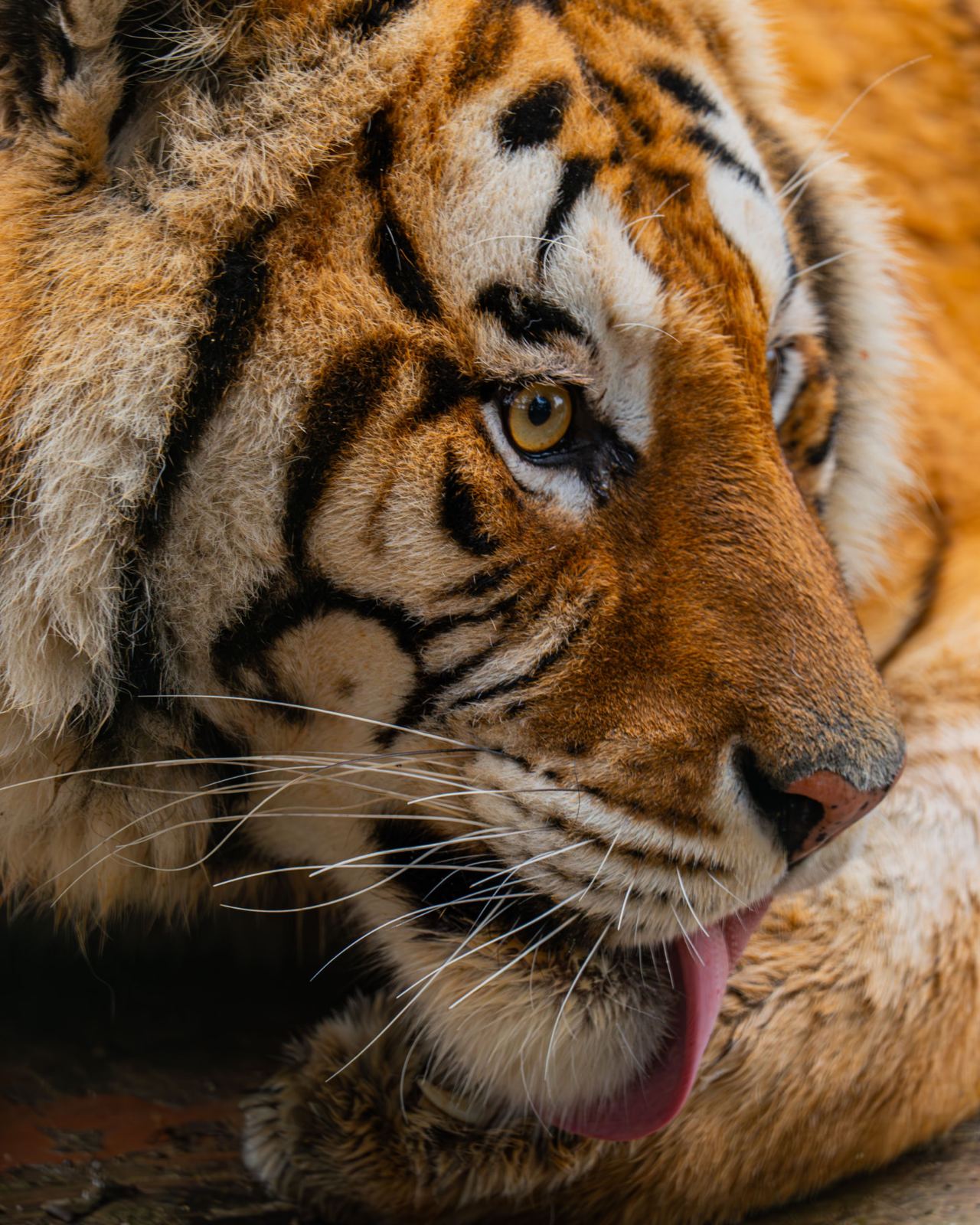
Kheoni Wildlife Sanctuary Guide 2026
Richhi Khoh, Daulatpur and Nandadai gates explained — distances from Bhopal, Indore and Ashta, and why this hidden Malwa forest makes a quieter alternative to MP's busier tiger reserves.
Read guide →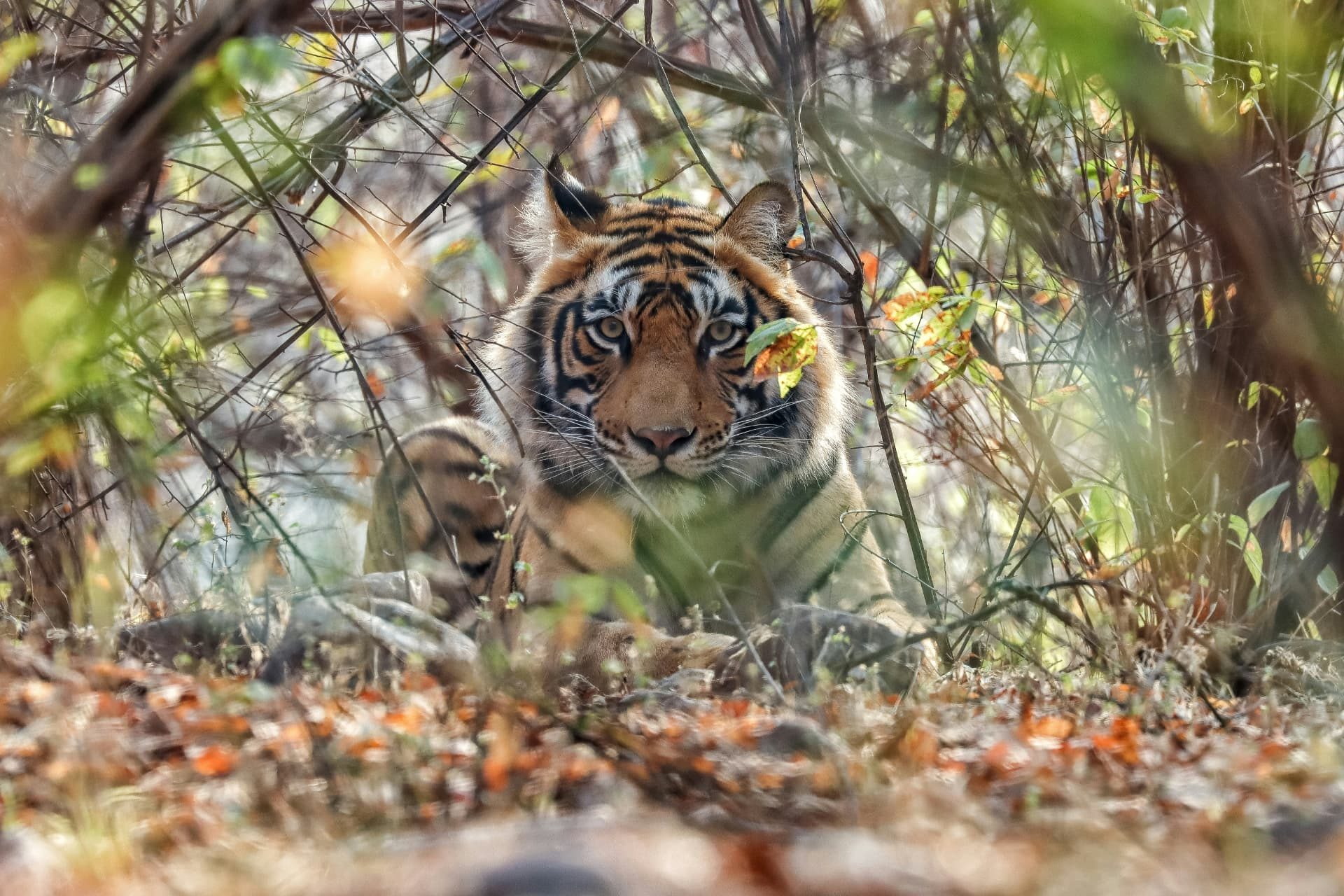
Bandhavgarh Tiger Reserve Guide 2026
How Bandhavgarh's single booking counter system works — Tala, Magadhi and Khitauli core zones, the Dhamokhar buffer zone, India's highest tiger density, and how to plan your visit.
Read guide →